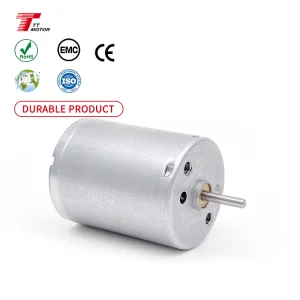
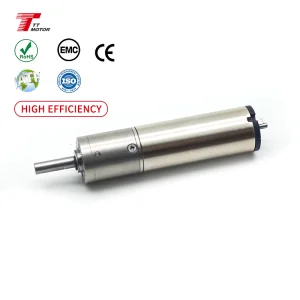
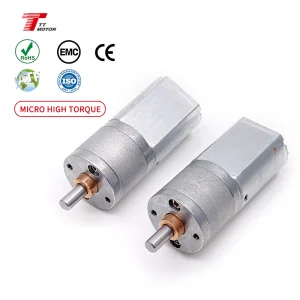
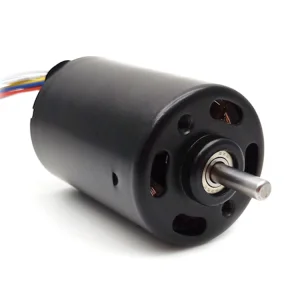
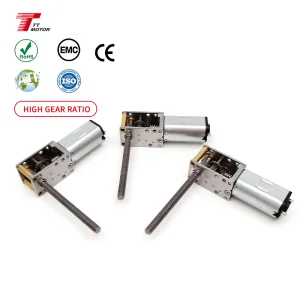
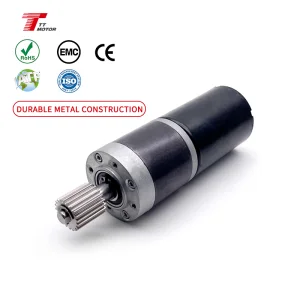
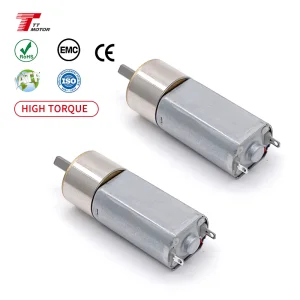
Featured Micro Motion & Gear Motors
Industrial-grade precision drive systems engineered for high torque, quiet operation, and prolonged lifecycles.
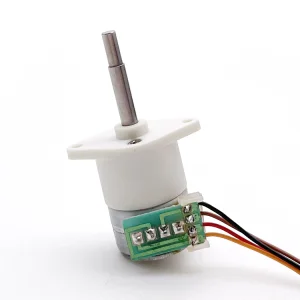
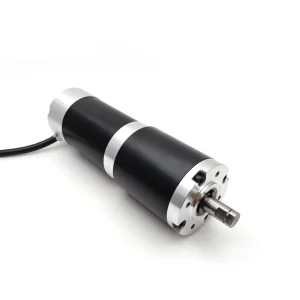
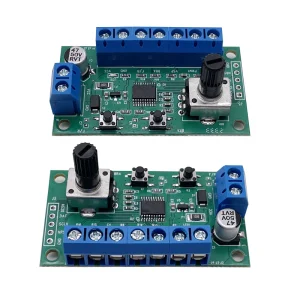
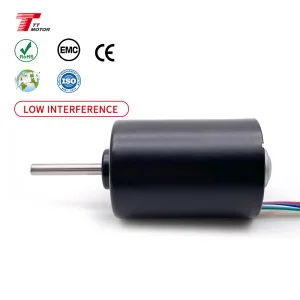
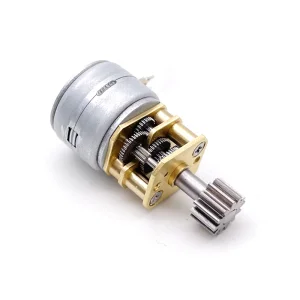
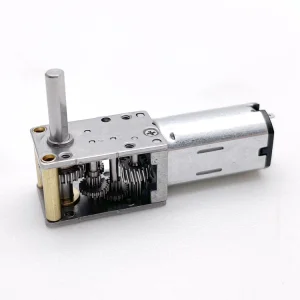
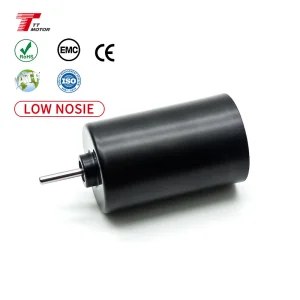
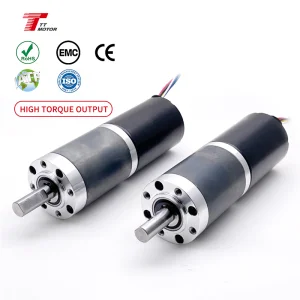
Executive Summary: The Critical Role of Micro-Gear Motors in Telecommunications & Networking
How high-precision micro-motion drives keep the backbone of global cloud infrastructure moving.
In the era of hyper-scale datacenters, 5G signal optimization, and automated fiber-optic patch panels, precision motion control has transitioned from a mechanical requirement to a key performance indicator (KPI) of network reliability. Hardware developers are shifting away from general-purpose stepper motors toward highly integrated, application-specific networking gear motors. These micro-drives must operate continuously under extreme temperature ranges, exhibit zero-backlash precision, and generate minimal electromagnetic interference (EMI).
When an antenna positioner fails on a 5G base station tower, or a cooling fan's variable airflow actuator locks up in a remote data center, the financial cost of site maintenance can run into thousands of dollars per hour. This whitepaper analyzes the manufacturing landscape of the top micro-gear motor producers, evaluating the core technologies, factory automation standards, and strategic advantages that enable high-end providers to deliver robust performance at global scale.
High Torque Density
Modern networking hardware demands minimal form factors. Geared systems amplify low-power micro motor output to drive heavy mechanical arrays without expanding the system footprint.
Precision Step Control
Combining planetary gearboxes with high-pole count brushless or stepping motors allows sub-degree rotational accuracy, critical for optical transceiver alignment.
Extreme Longevity
Advanced lubrication pathways and carbon brush upgrades (or transition to BLDC designs) ensure these motors run maintenance-free for over 100,000 continuous cycles.
AKIT MOTORS: Built for the Motion that Matters
Who We Are:
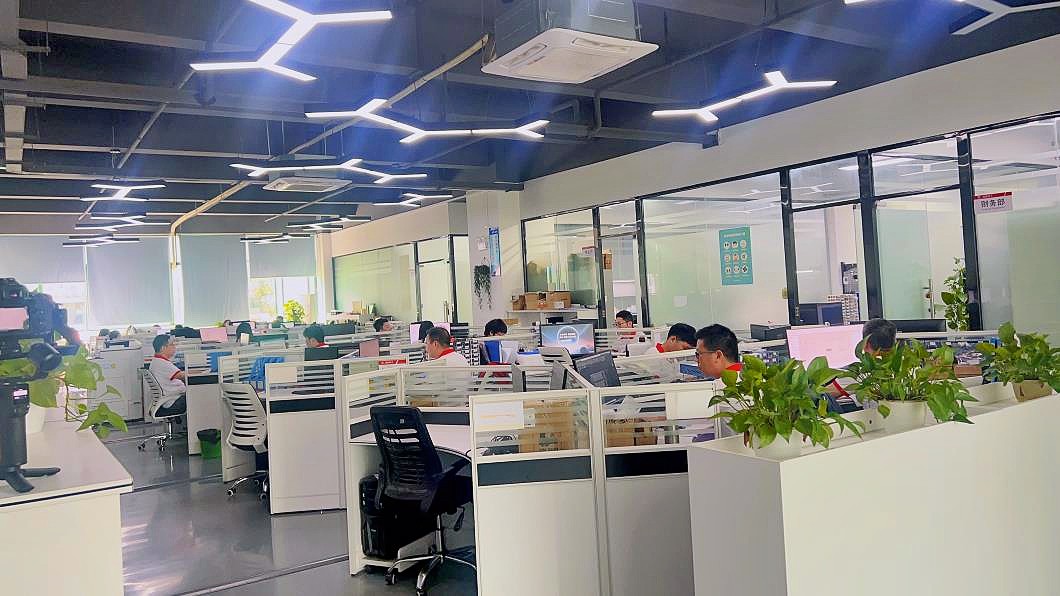
Established in 2006, AKIT MOTORS is a specialized High-Tech China factory dedicated to engineering and manufacturing advanced Micro DC, Gear, and Brushless (BLDC) motors. We operate out of an integrated facility optimized for micro-precision design, component fabrication, and automated assembly.
What We Believe:
The heart of every great machine is its drive system. If the axis fails, innovation stops. That is why we engineer every single micro-motor with industrial-grade margins—ensuring higher torque, lower acoustic noise, and longer operational lifespans than standard commercial alternatives.
How We Serve You:
We bridge the gap between design concepts and high-volume output. Through 100% custom engineering (modifying shafts, windings, voltages, integrated encoders, and planetary gear ratios) and scalable automated production lines, we supply global OEMs with the exact motion control they need, delivered directly from our factory floor.
China Factory 4.0: Supply Chain Resilience & Micro-Gear Hobbing Process
Inside the production line: tracing how raw raw materials become high-precision mechanical assemblies.
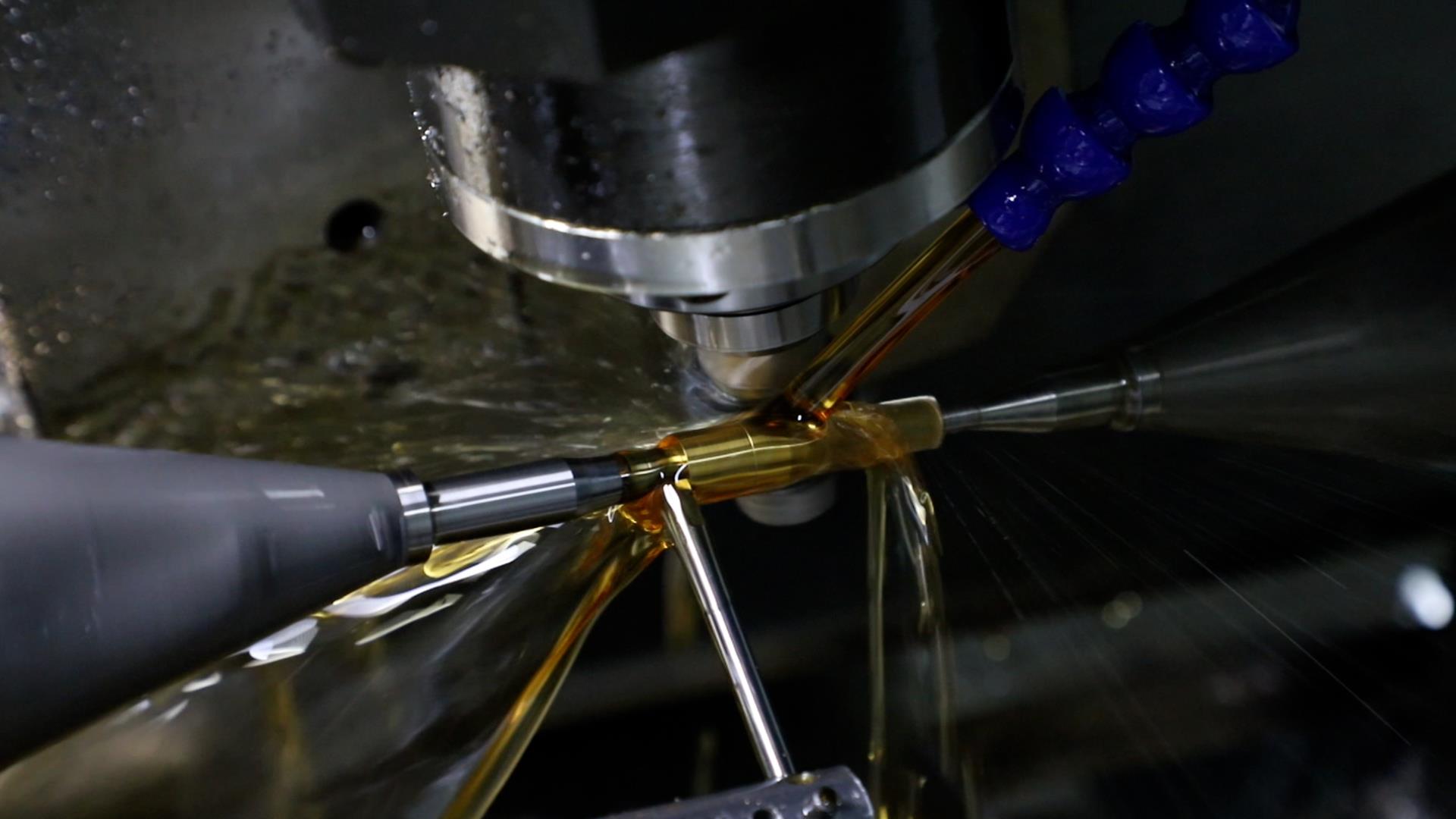
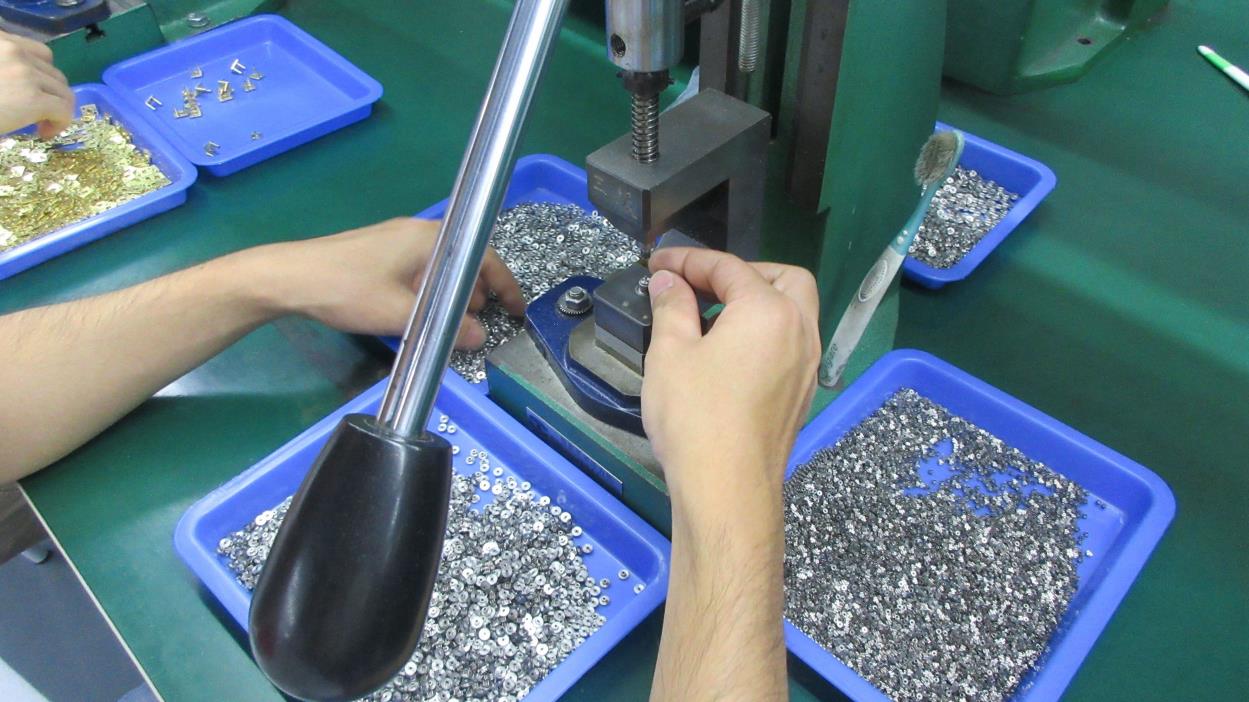
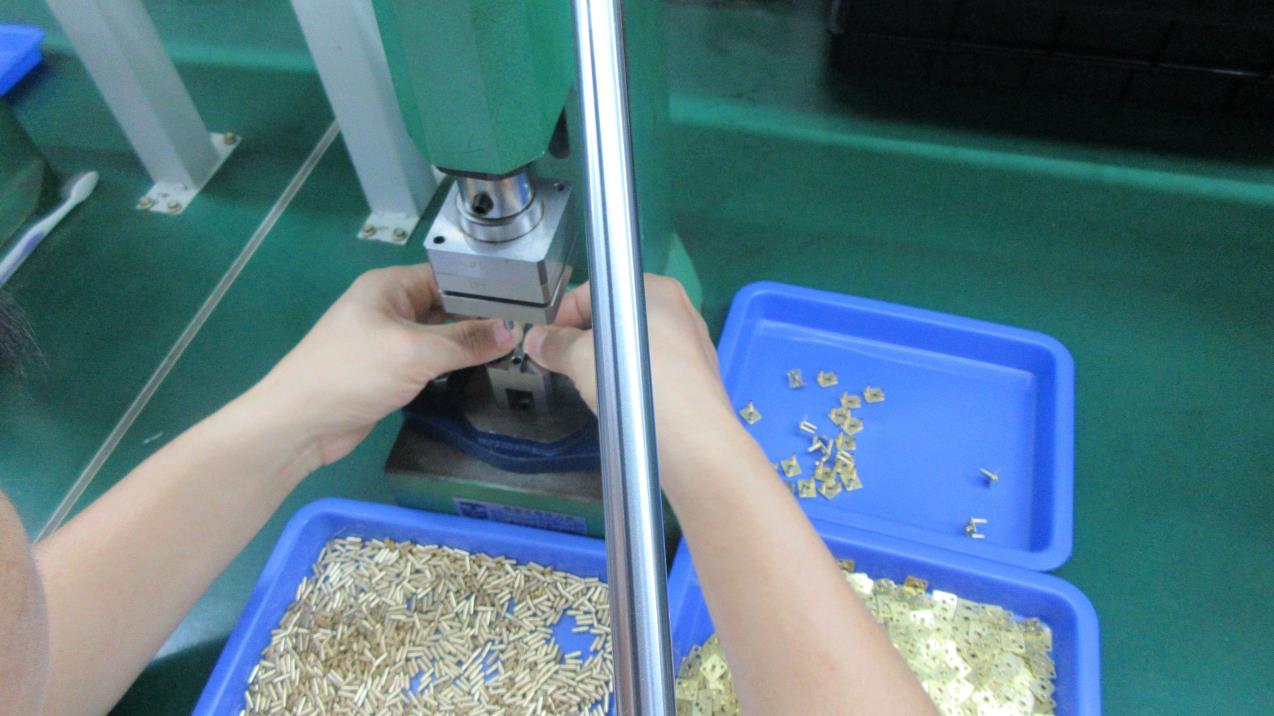
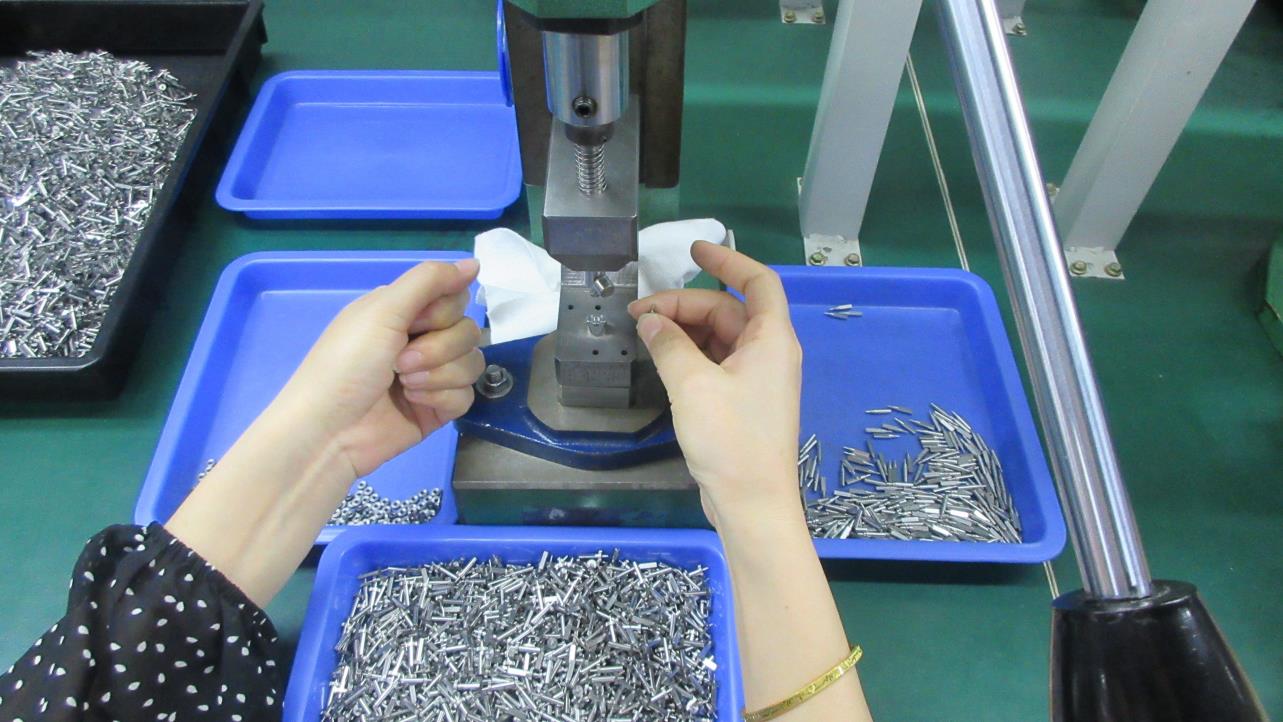
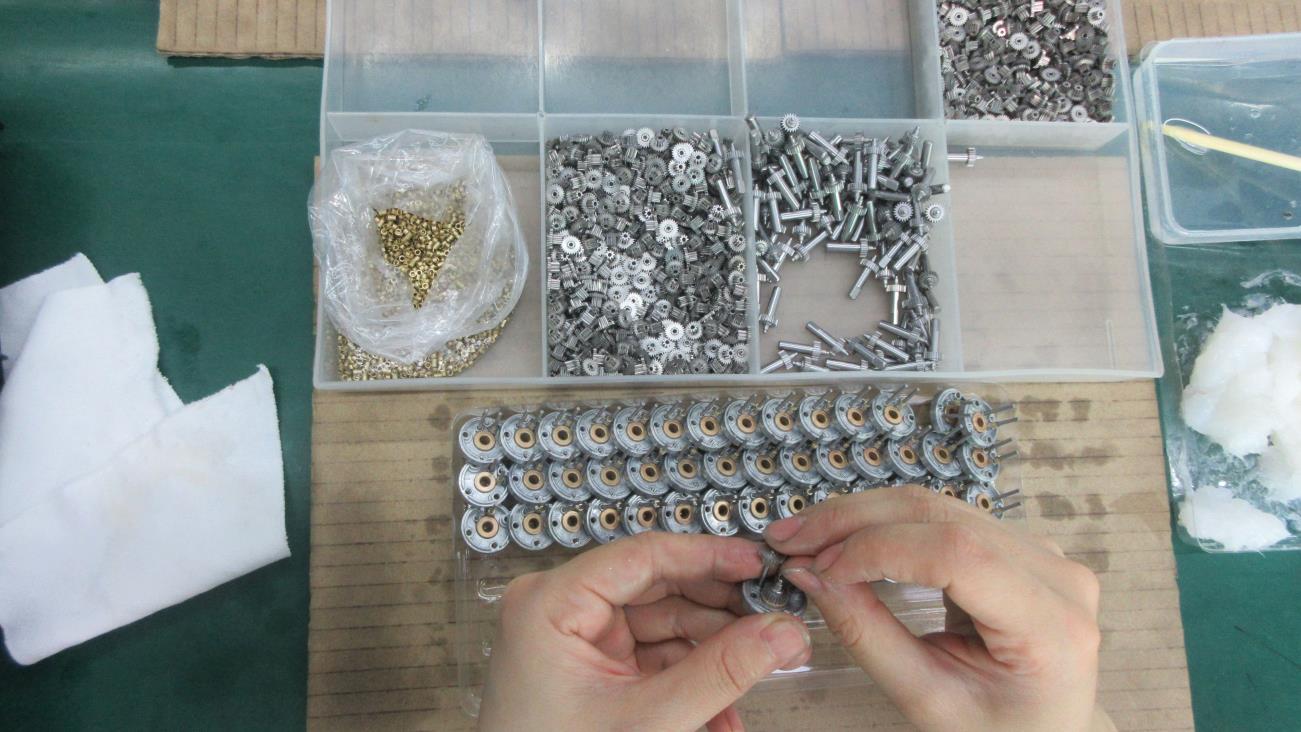
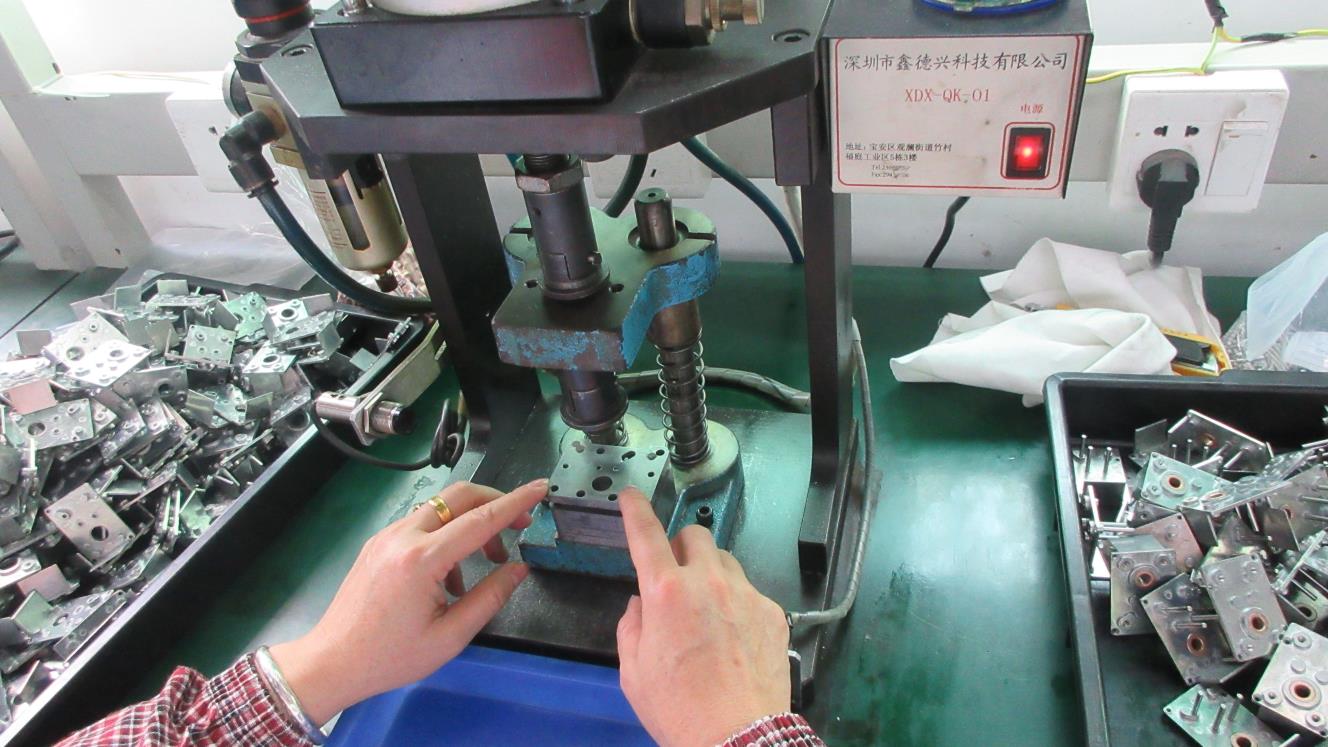
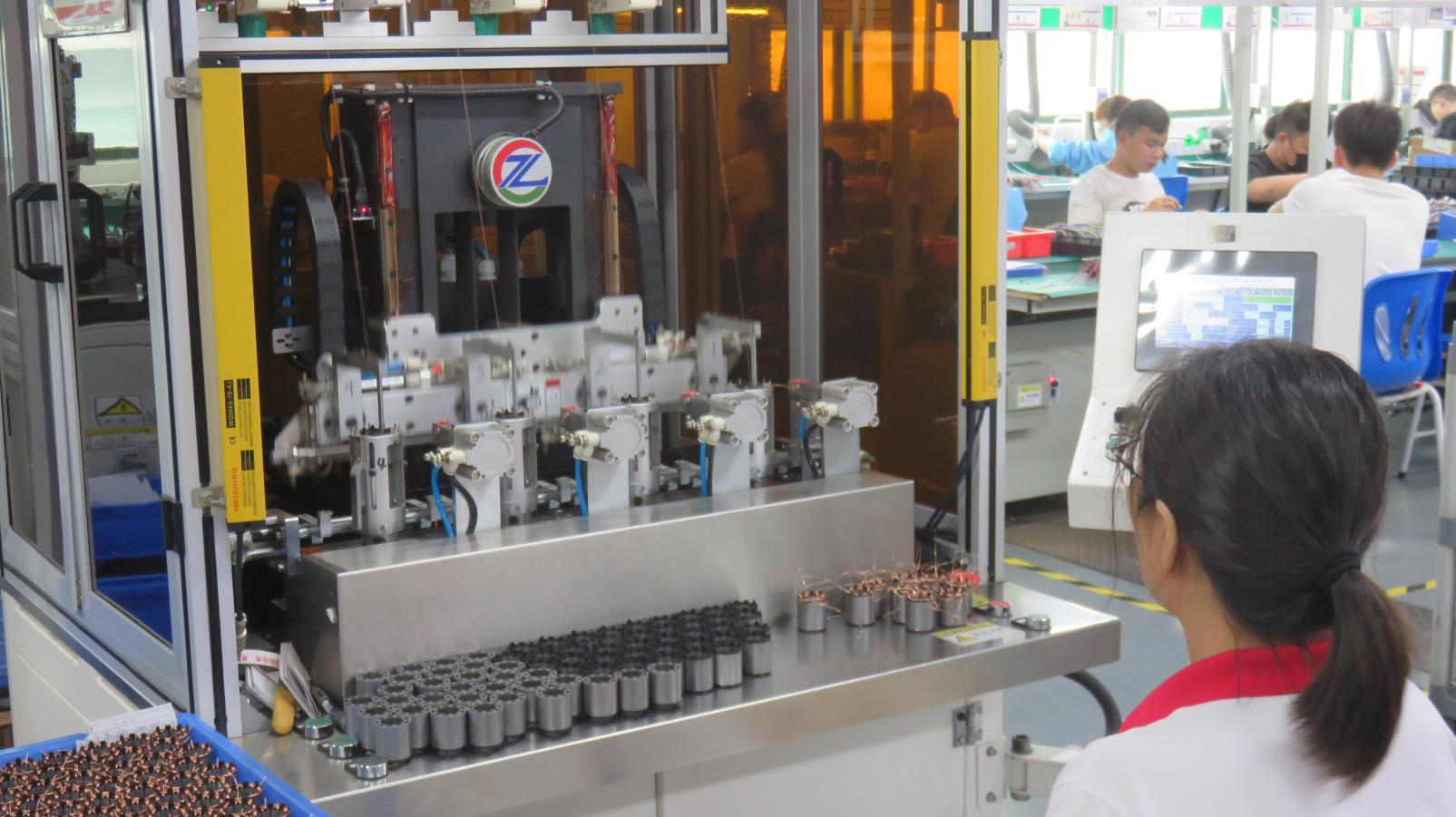
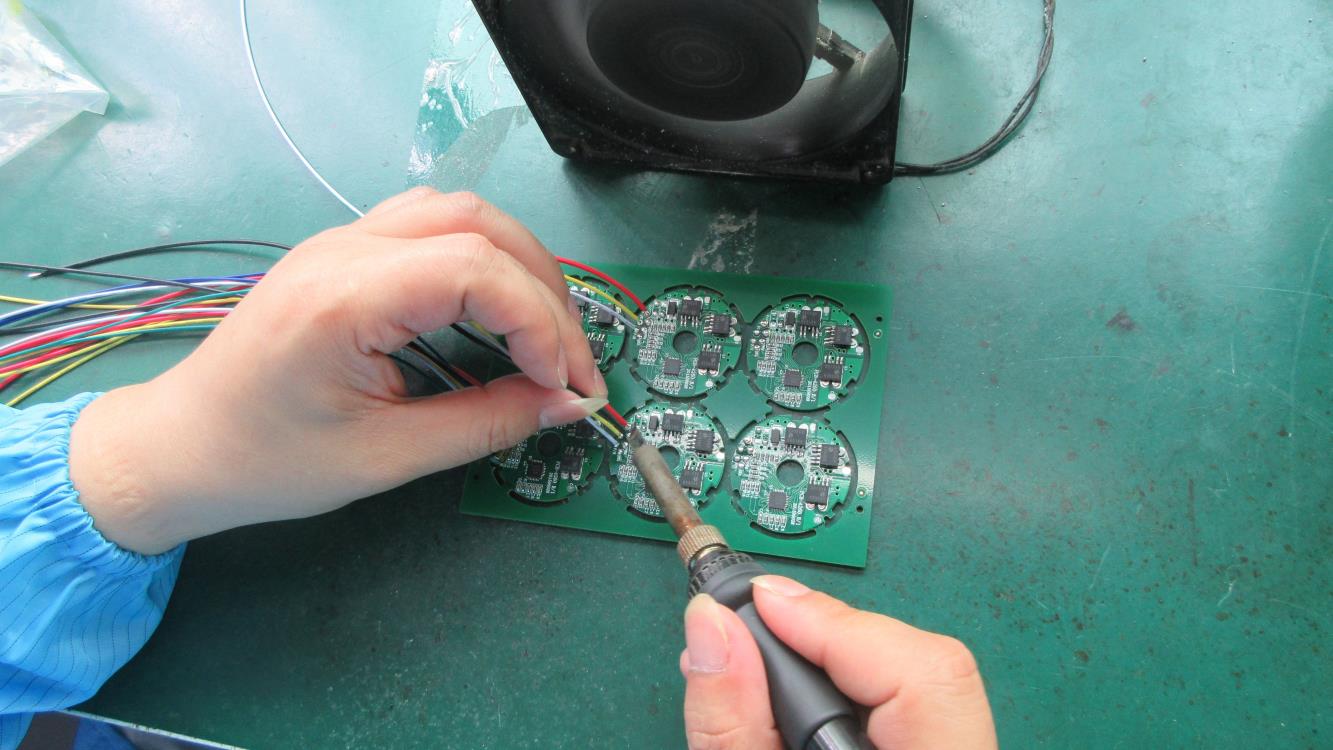
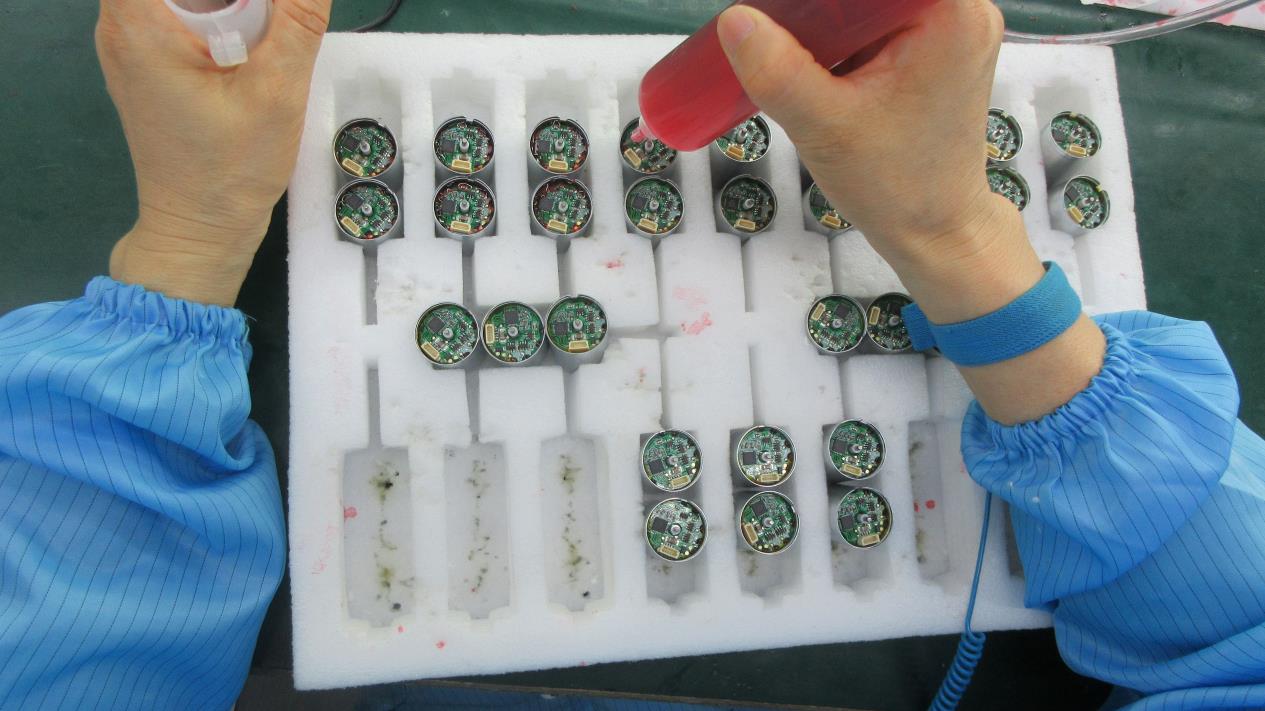
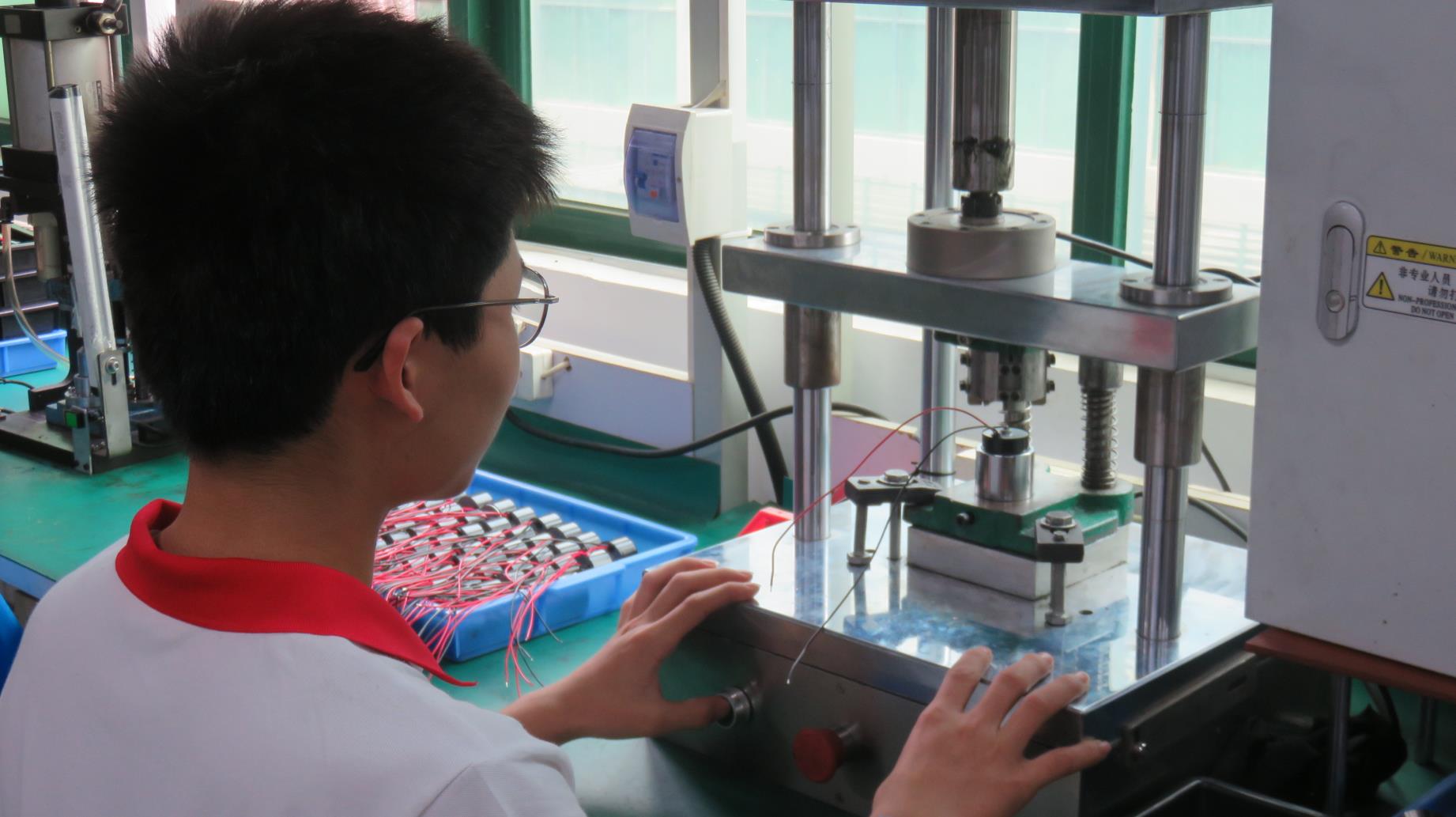
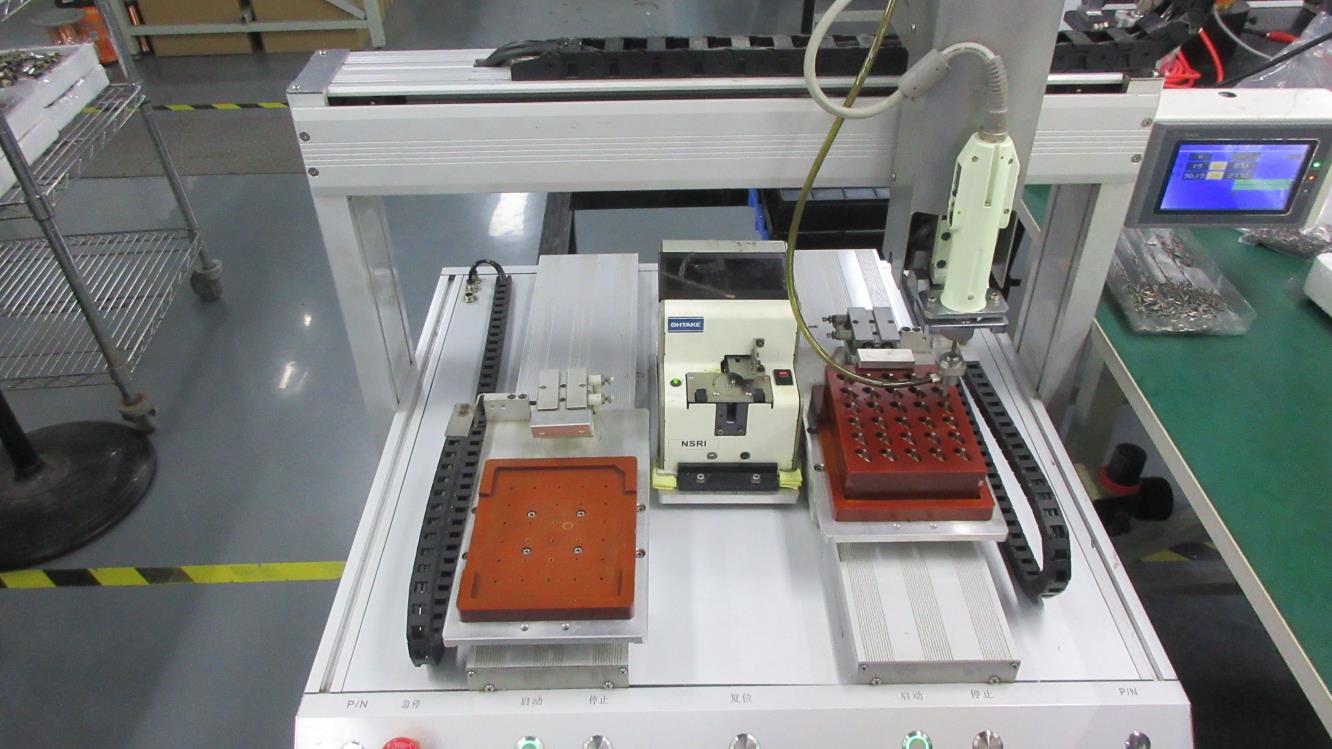
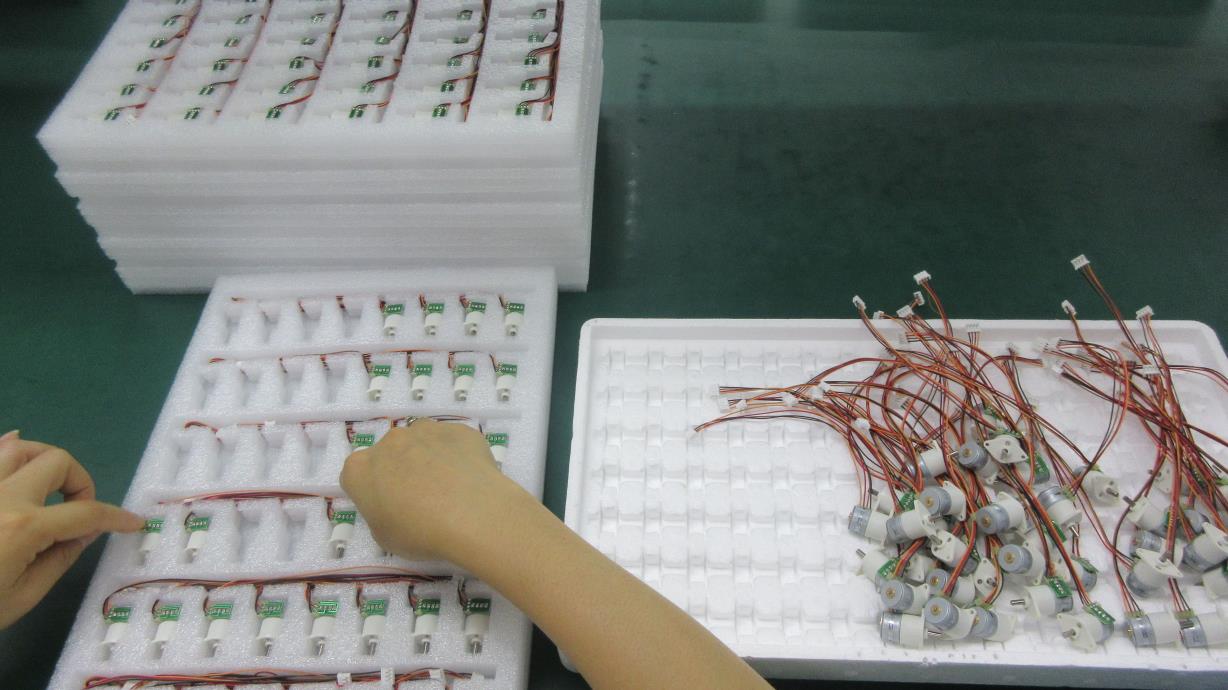
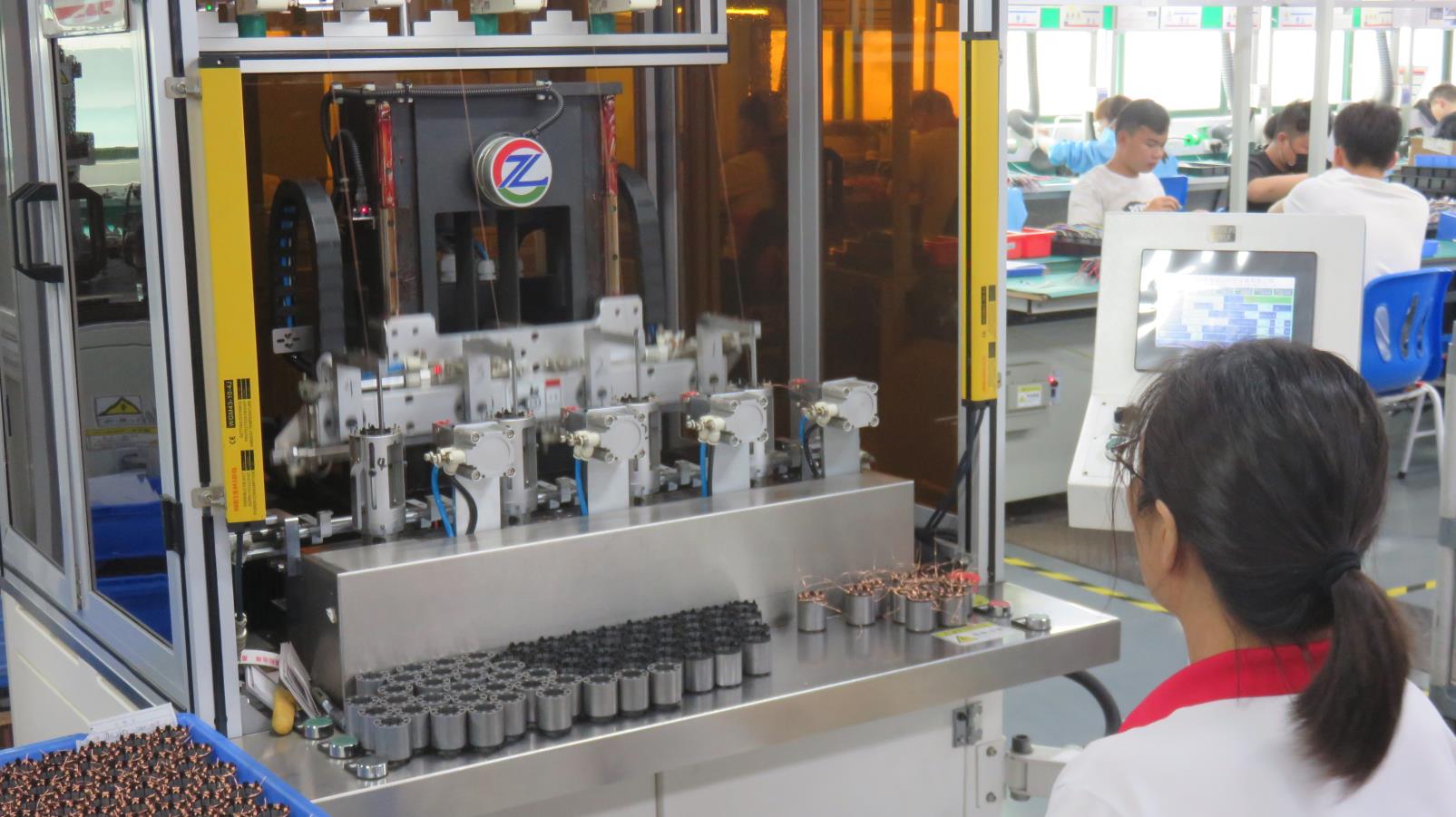
The manufacturing process at AKIT MOTORS combines high-speed automated winding with micron-level gear hobbing. We control the entire production ecosystem under one roof, minimizing sub-assembly handoffs. This vertical integration allows us to keep lead times short while ensuring that every gear interface is optimized for minimal backlash and noise suppression.
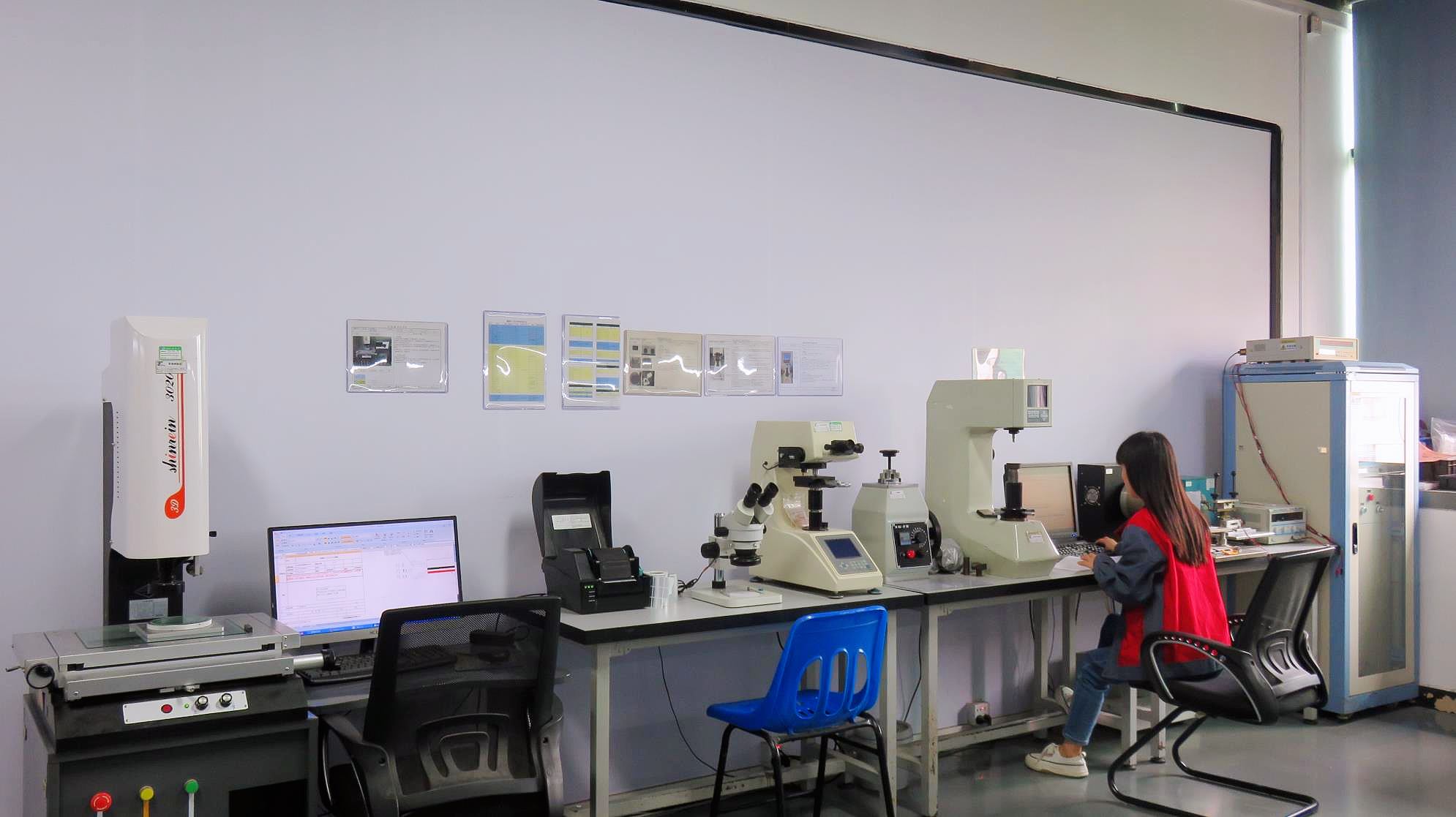
State-of-the-Art Laboratory: Inspection & Verification Infrastructure
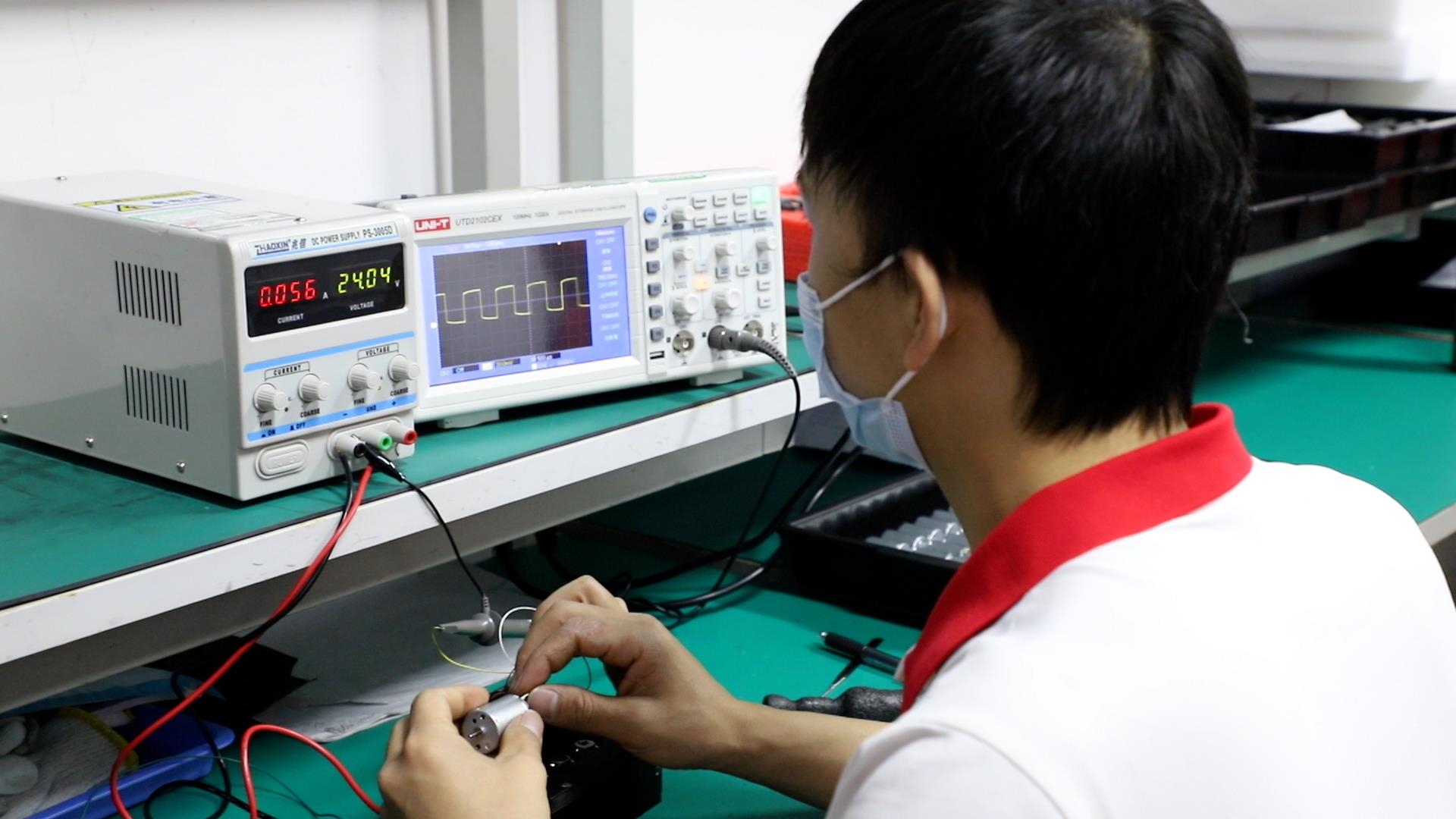
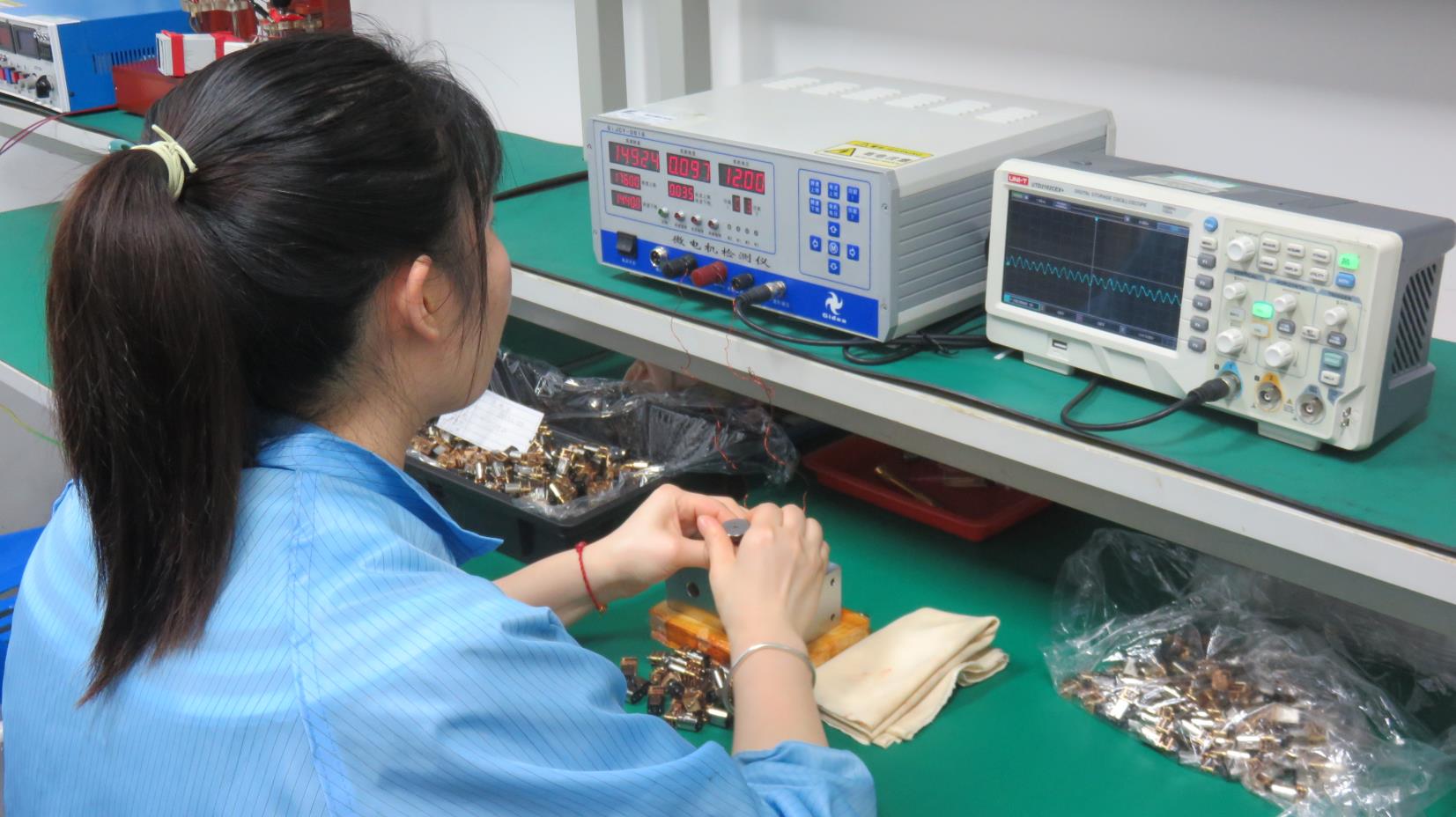
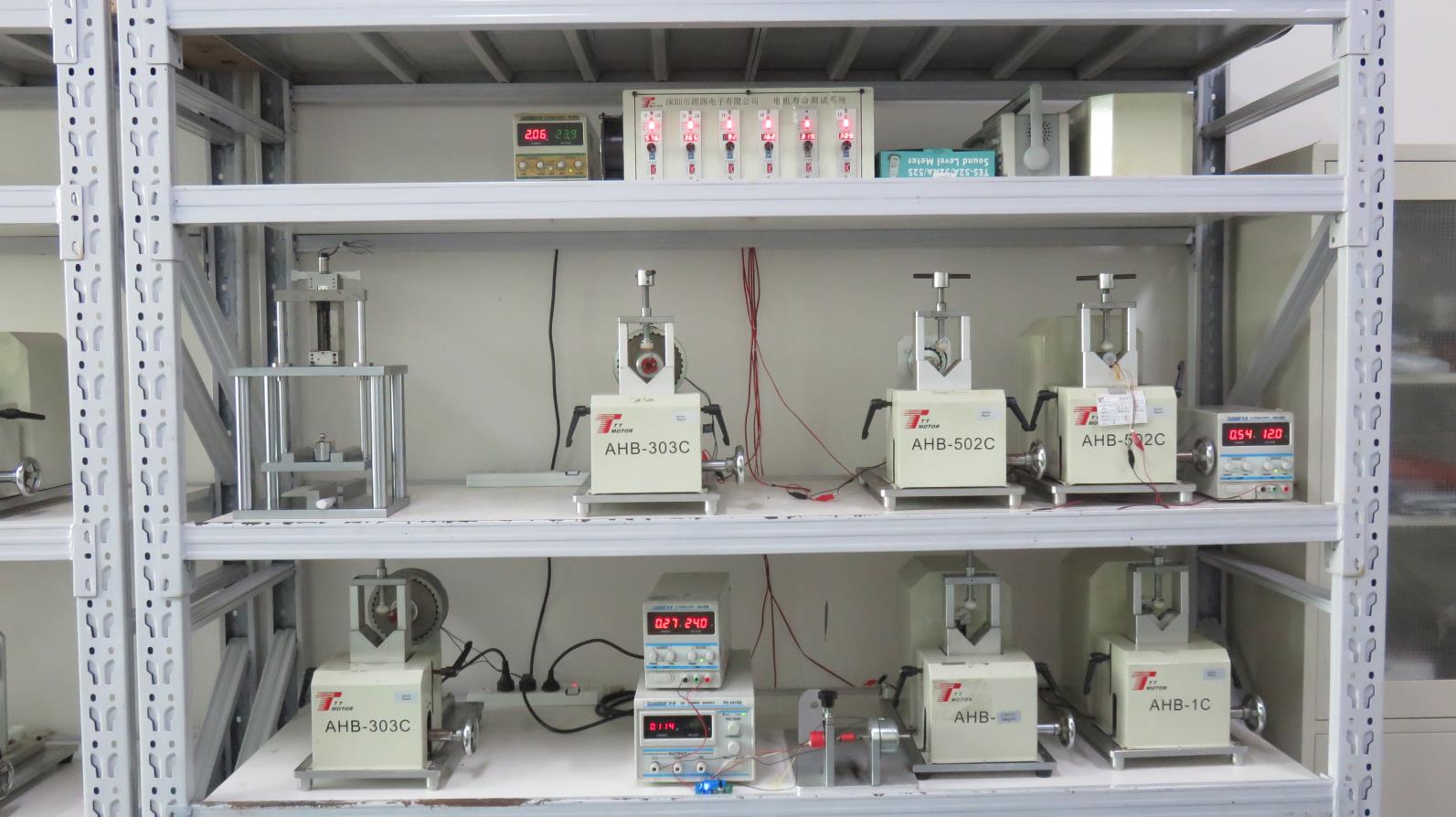
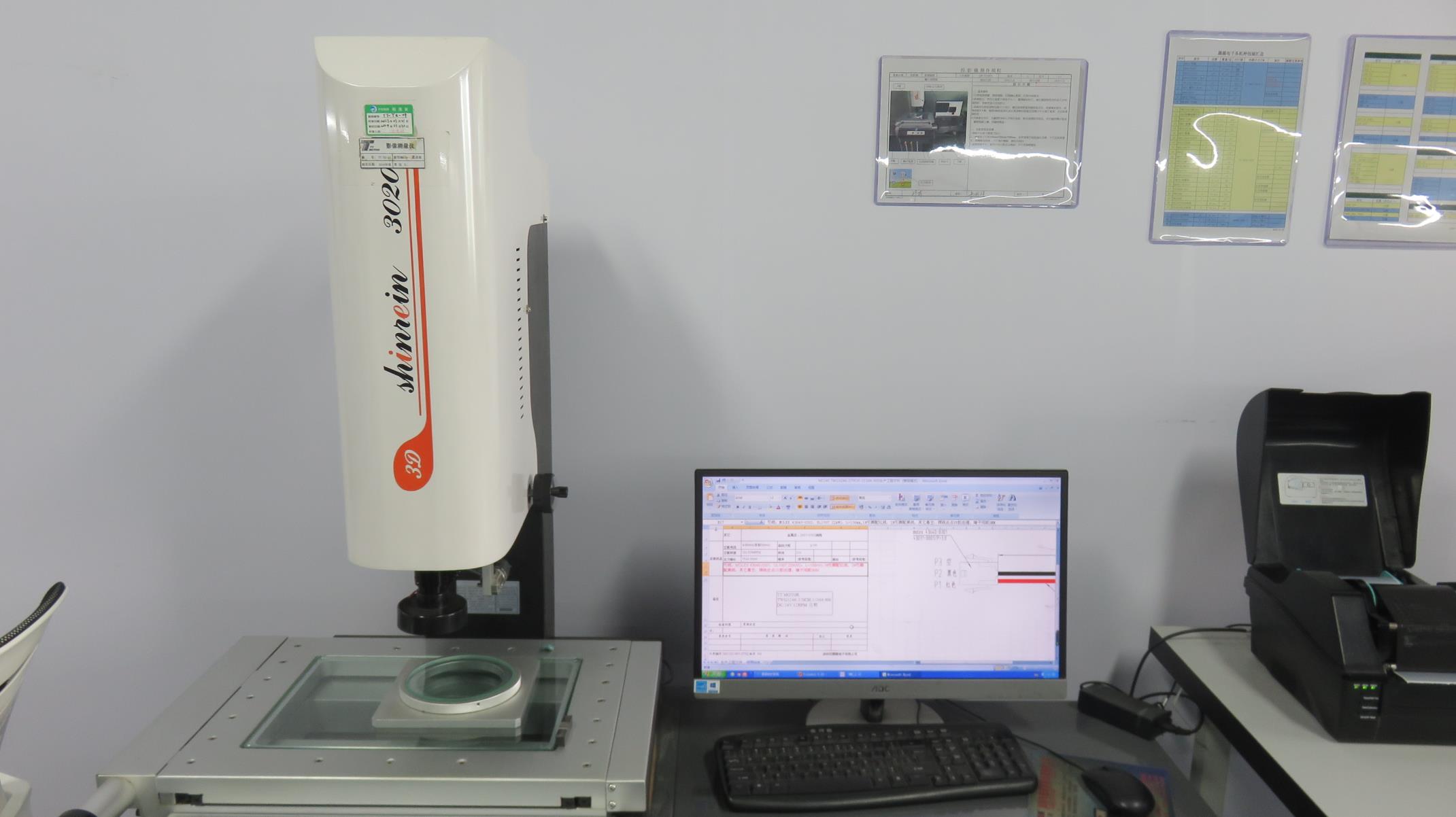
Every motor series undergoes rigorous mechanical, thermal, environmental, and endurance validation testing.
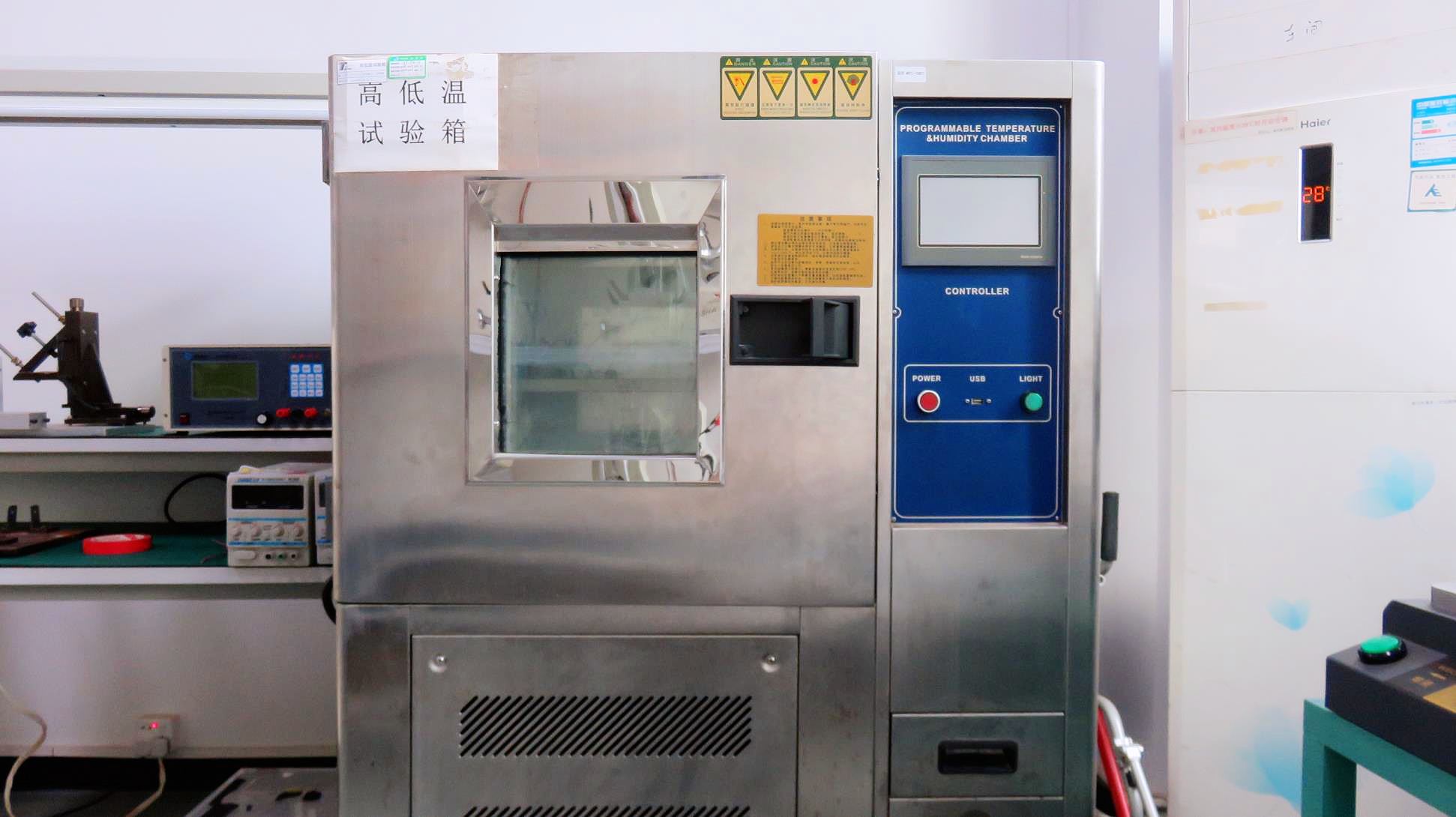
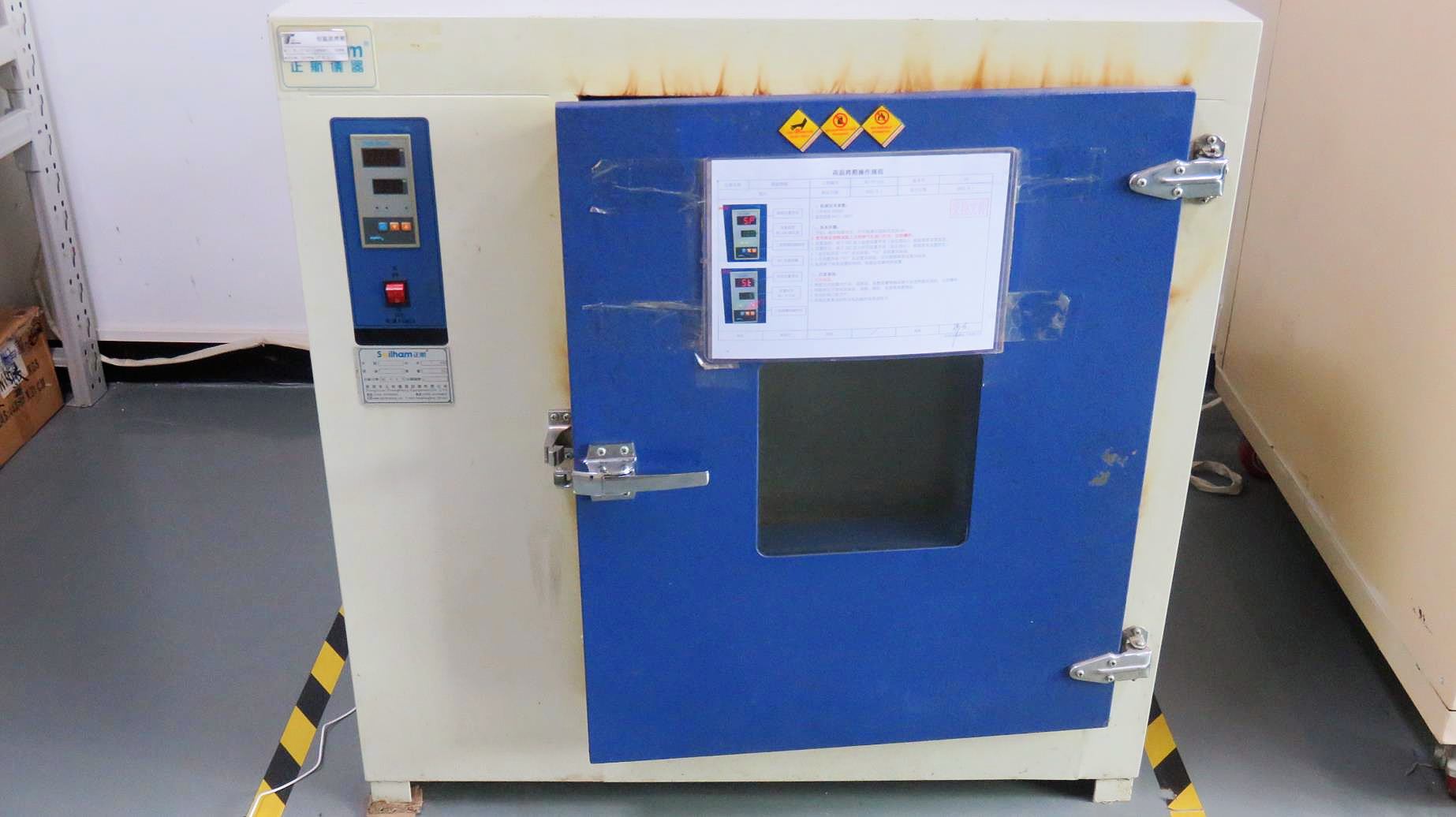
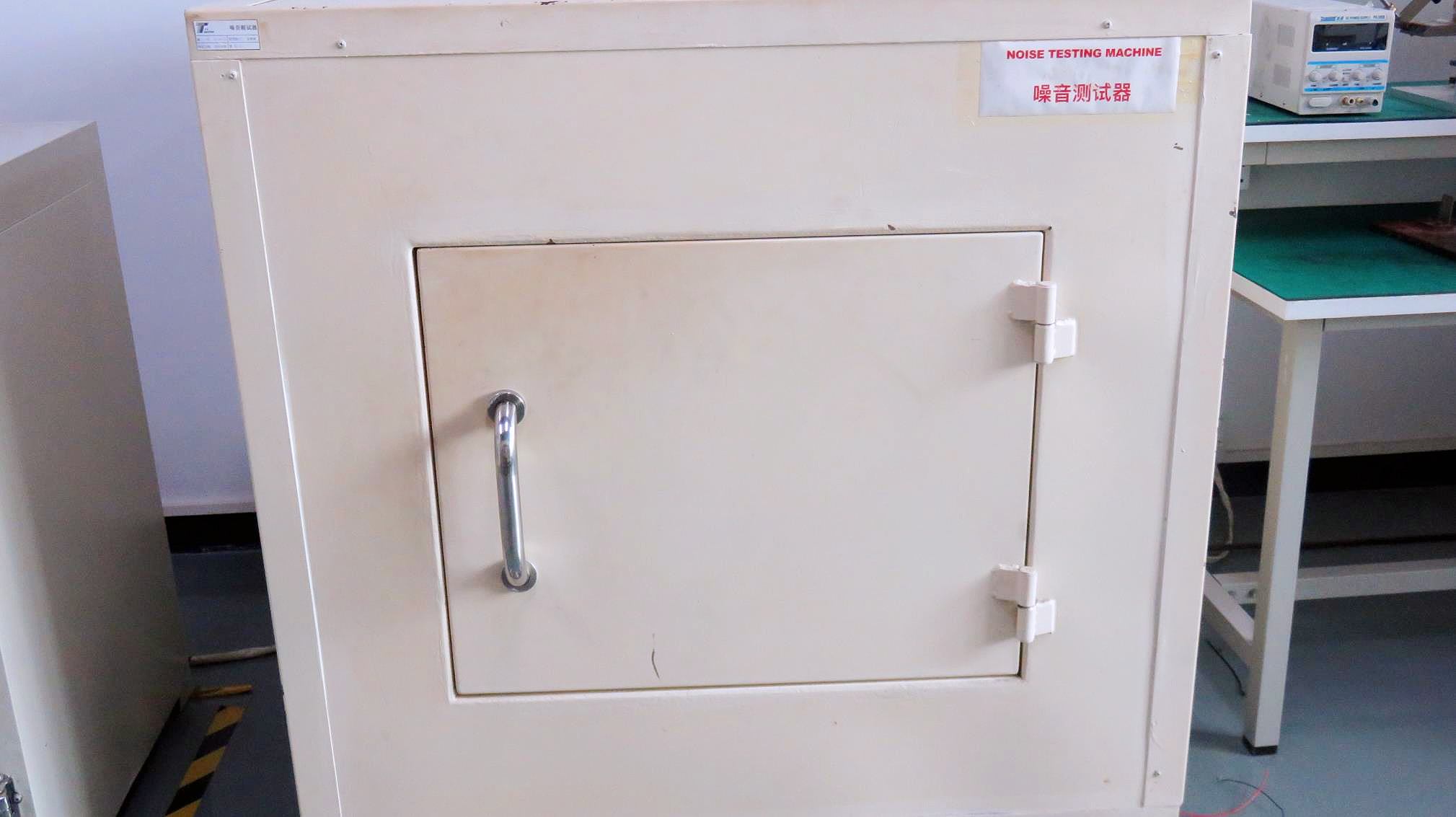
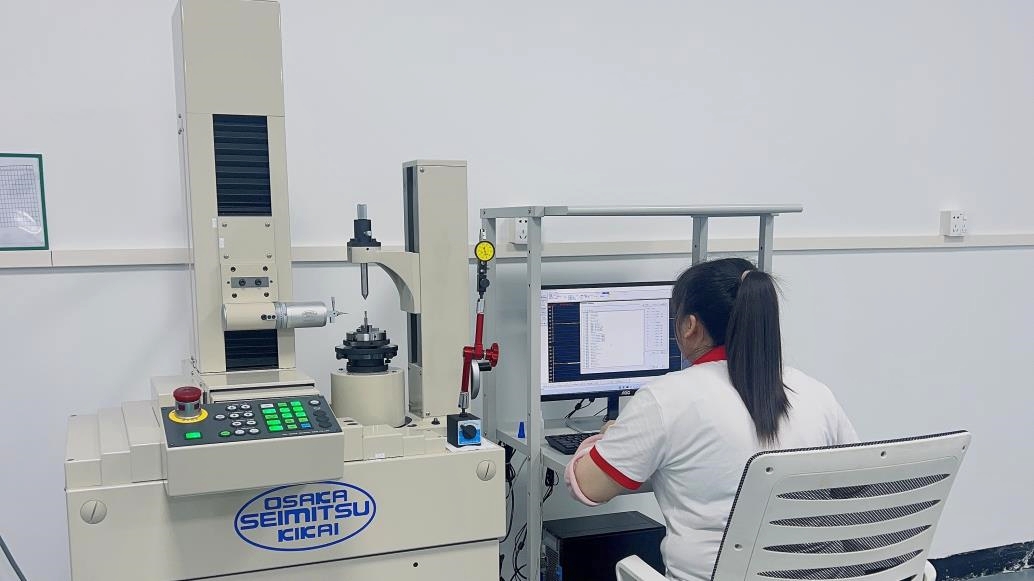
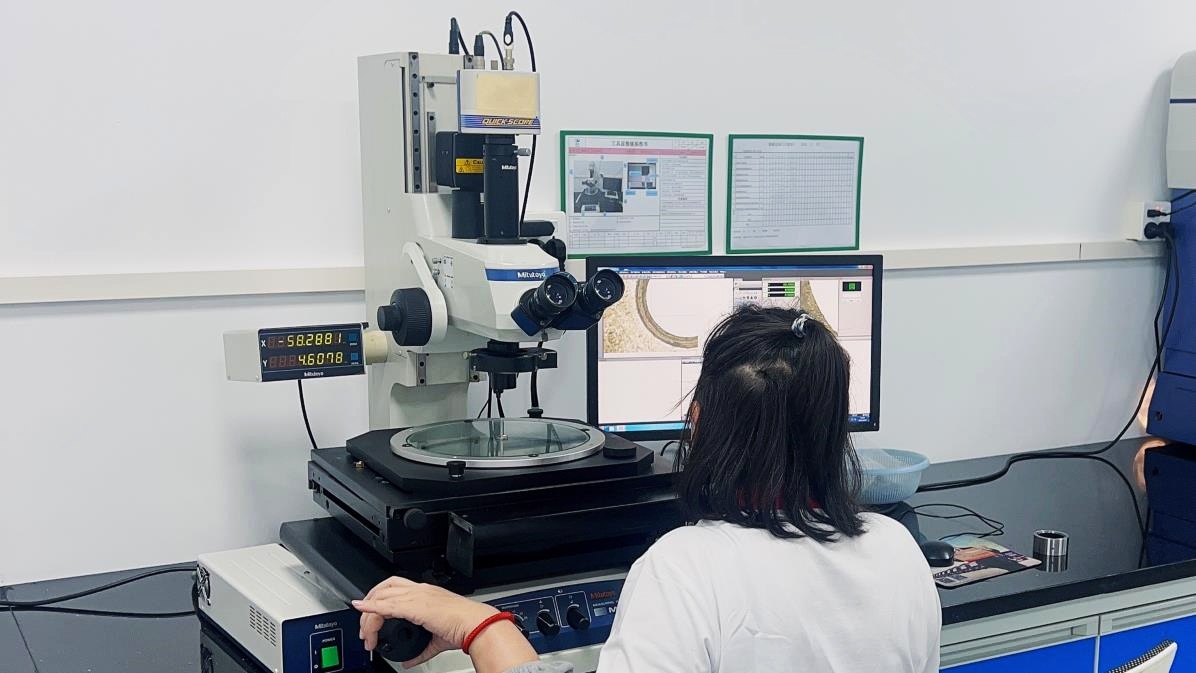
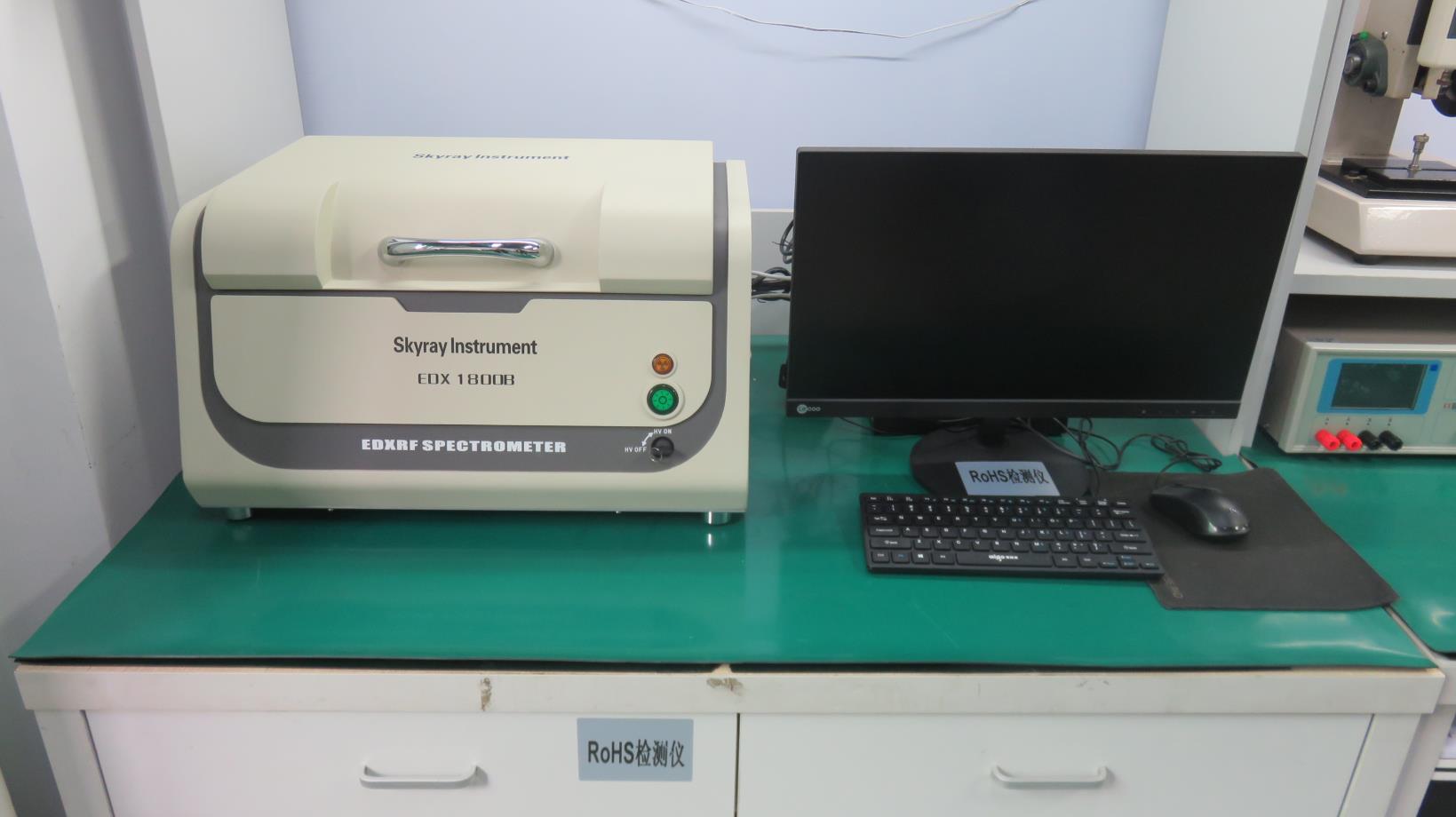
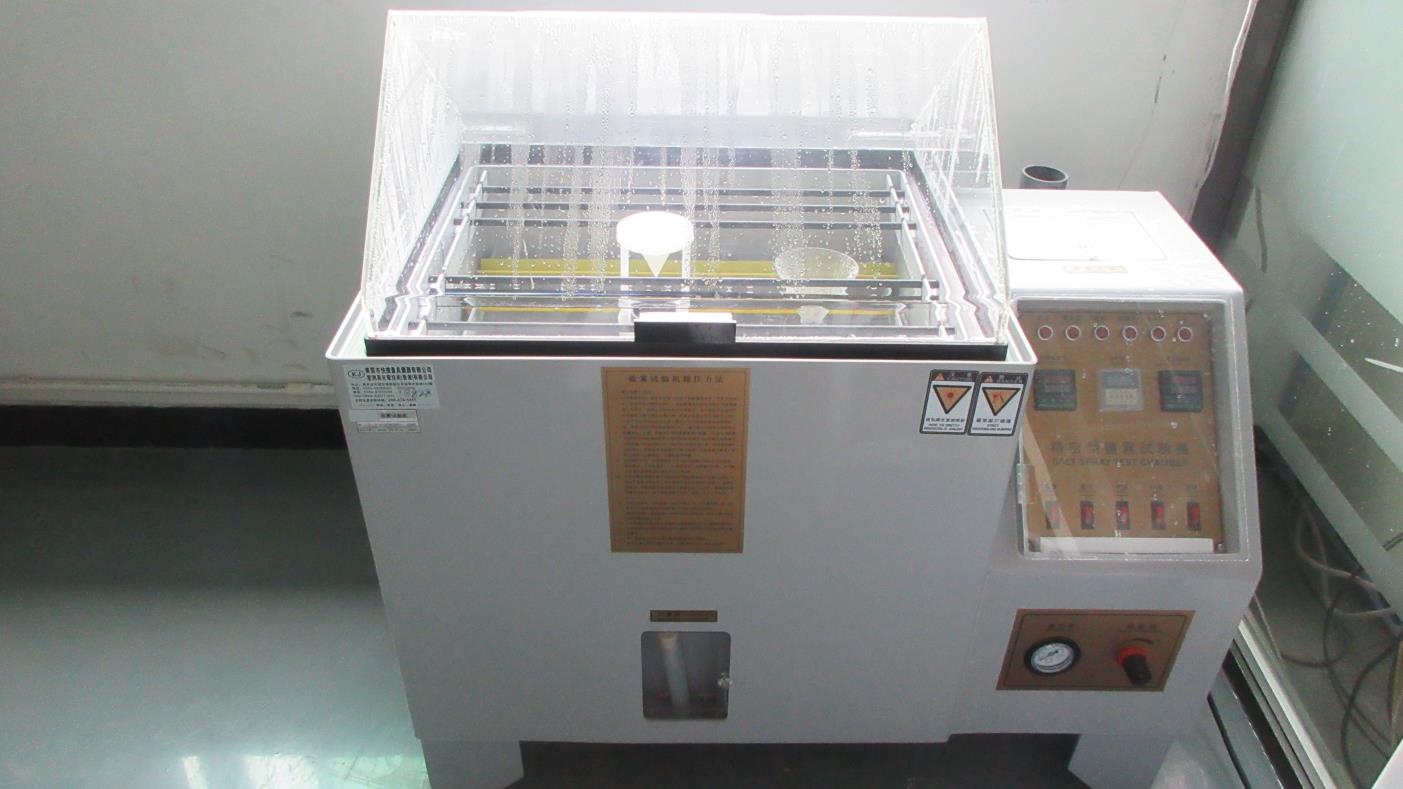
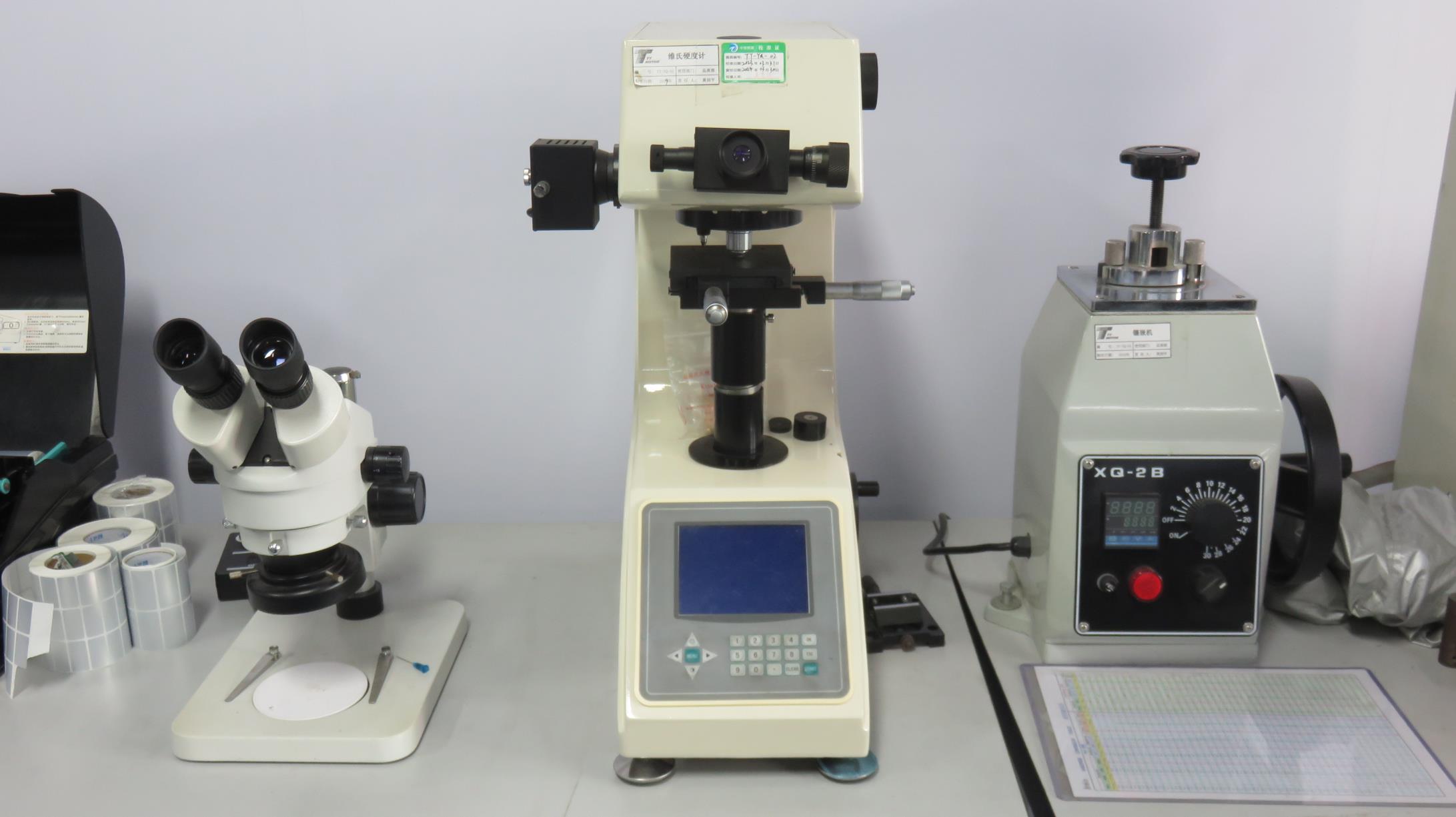
Reliability requires validation. To meet the stringent standards of telecom service providers, our testing lab simulates years of operation in high-humidity coastal zones, extreme sub-zero base station enclosures, and high-vibration server racks. Below is an overview of our analytical testing equipment array:
The Technology Roadmap of Next-Gen Networking Gear Motors
Key trends driving micro-drive architecture over the next decade.
01. Transition to Smart BLDC Systems
Brushed DC motors are giving way to Brushless (BLDC) models featuring built-in smart controller PCBs. By integrating electronic commutation directly into the motor casing, system designers can eliminate external control boards, reduce electrical noise (EMI), and access real-time diagnostic data regarding rotor speeds and current surges.
02. Micro-Planetary Gearbox Innovations
As networking hardware trends toward smaller profiles, spur gearboxes are being replaced by high-precision mini planetary assemblies. These planetary drives distribute the mechanical load across multiple gears, allowing higher torque transmission in a smaller diameter housing (such as 12mm or 16mm systems) with low backlash.
03. Material Science & Acoustic Tuning
Next-generation gear motors leverage advanced plastic-metal hybrid gear sets. Engineered polymers, such as PEEK or POM, are combined with hardened steel hobbed gears. This co-axial structure achieves the high torque capabilities of metal gear trains while significantly reducing vibrational wear and noise output below 30 dBA.
Macro Industry Solutions: Targeted Motor Architectures
Custom engineering tailored for the demands of IT networks, telecom towers, and data facilities.
5G Active Antenna Systems (AAS)
Deploying remote electrical tilt (RET) mechanisms in 5G cellular arrays requires micro-stepper gear motors capable of outdoor operations from -40°C to +85°C. These systems depend on our weatherproof casings, specialized low-temperature lubricants, and positional feedback sensors to guarantee alignment precision under high winds.
Datacenter Server Rack Actuators
Optimized airflow distribution in server racks requires dynamic cabinet louvers. Our brushless gear motors, combined with integrated PWM speed controllers, adjust baffle configurations on demand. This system ensures consistent airflow management, reducing thermal hot-spots and datacenter cooling costs.
Optical Switch Matrix Controls
Optical distribution frames (ODF) rely on high-precision stepping gear motors to physical-switch fiber ports. Our 12mm stepper drives, paired with micro-planetary gear heads, deliver precise, repeatable incremental rotations with low backlash, helping prevent optical insertion loss.
Localization Support, Supply Chain Security & Global Compliance
Mitigating procurement risks through standardized quality controls, trade compliance, and engineering support.
Purchasing components from a China factory involves navigating quality assurance, trade certifications, and engineering communication. AKIT MOTORS bridges this gap by providing direct engineering-to-engineering (E2E) consultation during the prototyping phase.
Our quality management systems are certified to ISO 9001:2015, and all material processes undergo strict RoHS verification. We provide complete environmental compliance declarations (RoHS, REACH) and provide full PPAP (Production Part Approval Process) documentation for high-volume automotive and medical industrial projects.
- Complete Traceability: Raw materials are cataloged, and test records are saved for up to 5 years.
- Optimized Customs Routing: Direct shipping routes, reliable packaging, and compliance documentation help prevent port clearance delays.
- Direct Engineering Access: Discuss design modifications directly with our R&D staff, minimizing delay times.
Quality Audits & Compliance Checklist
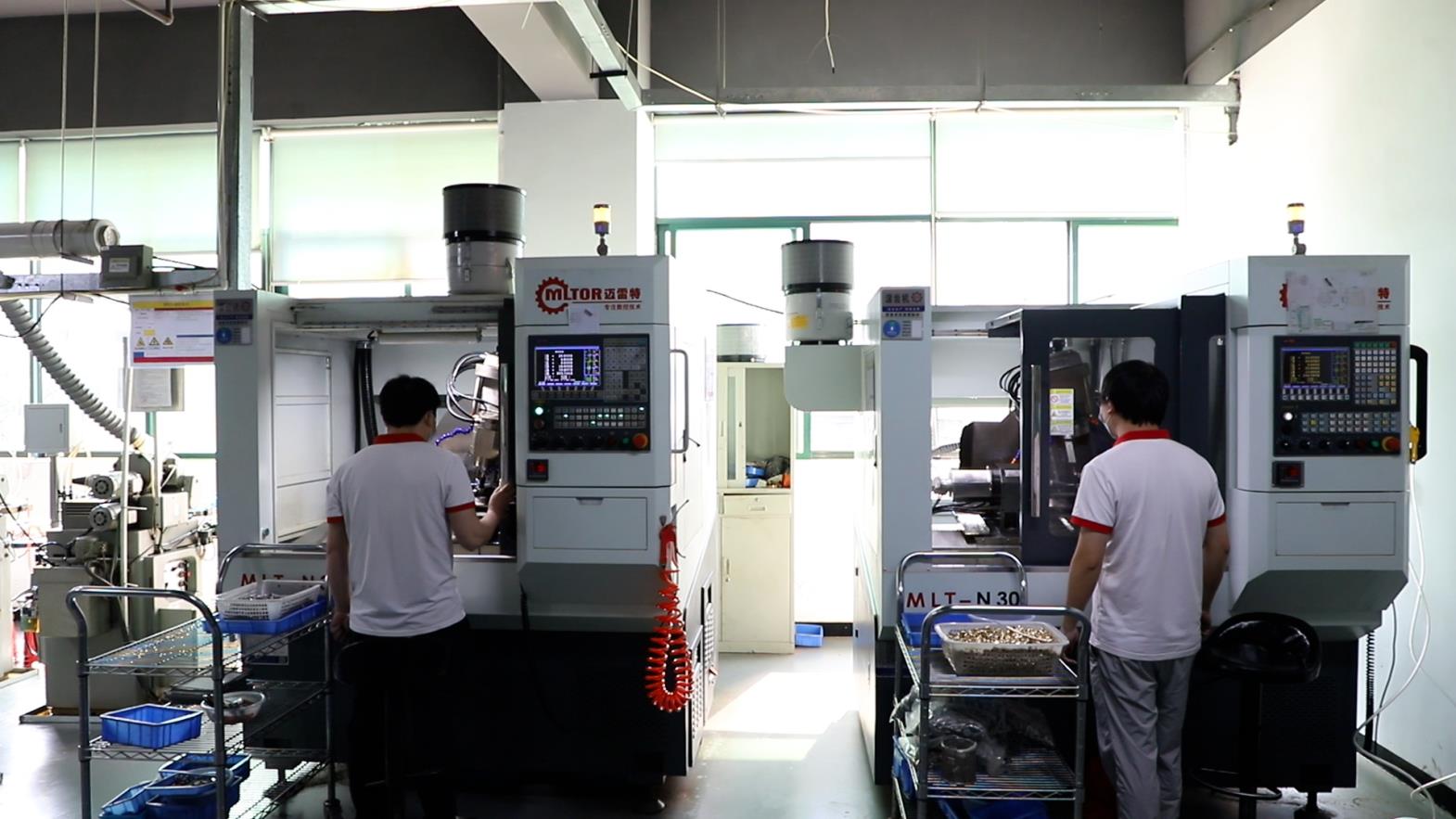
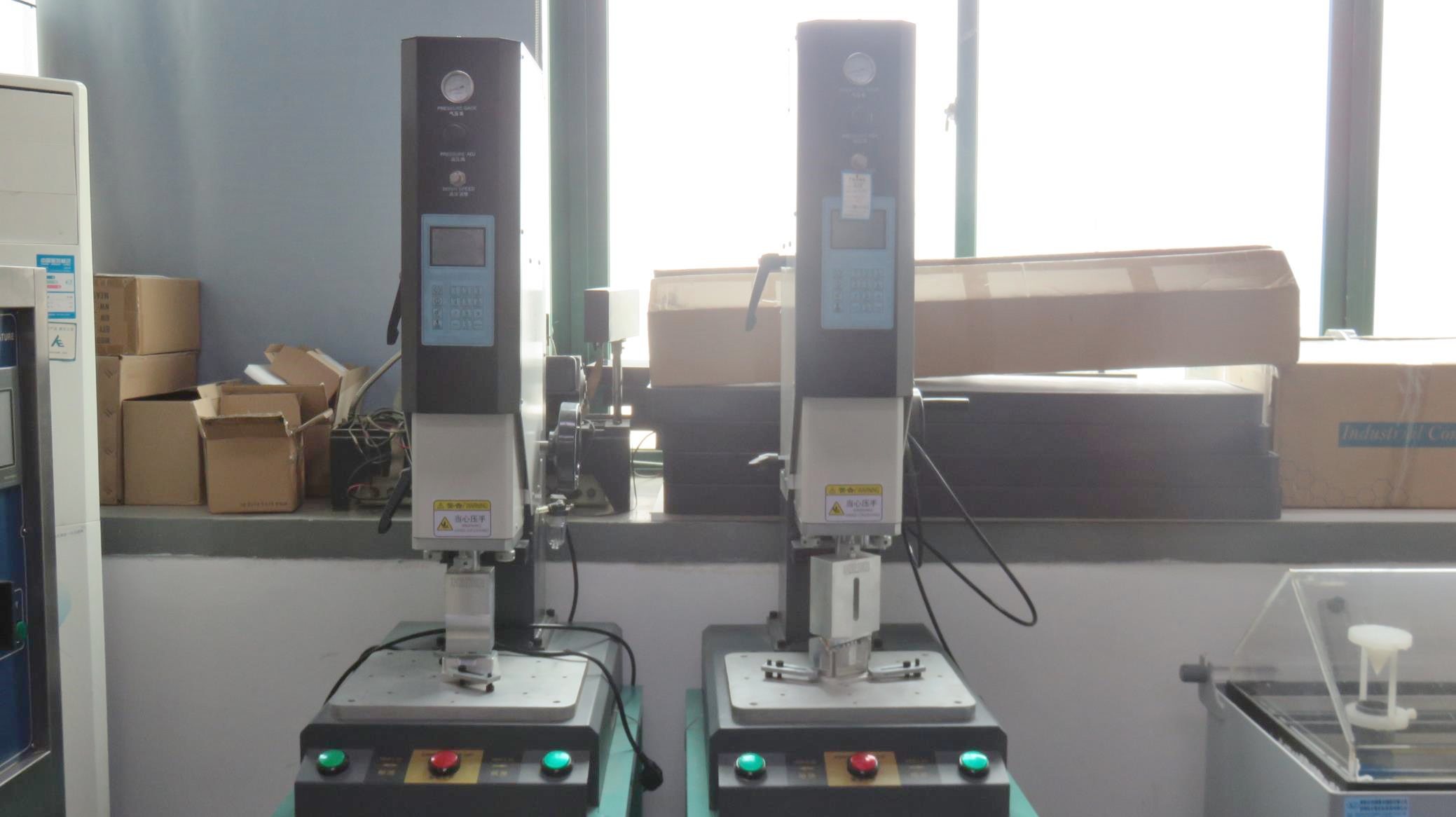
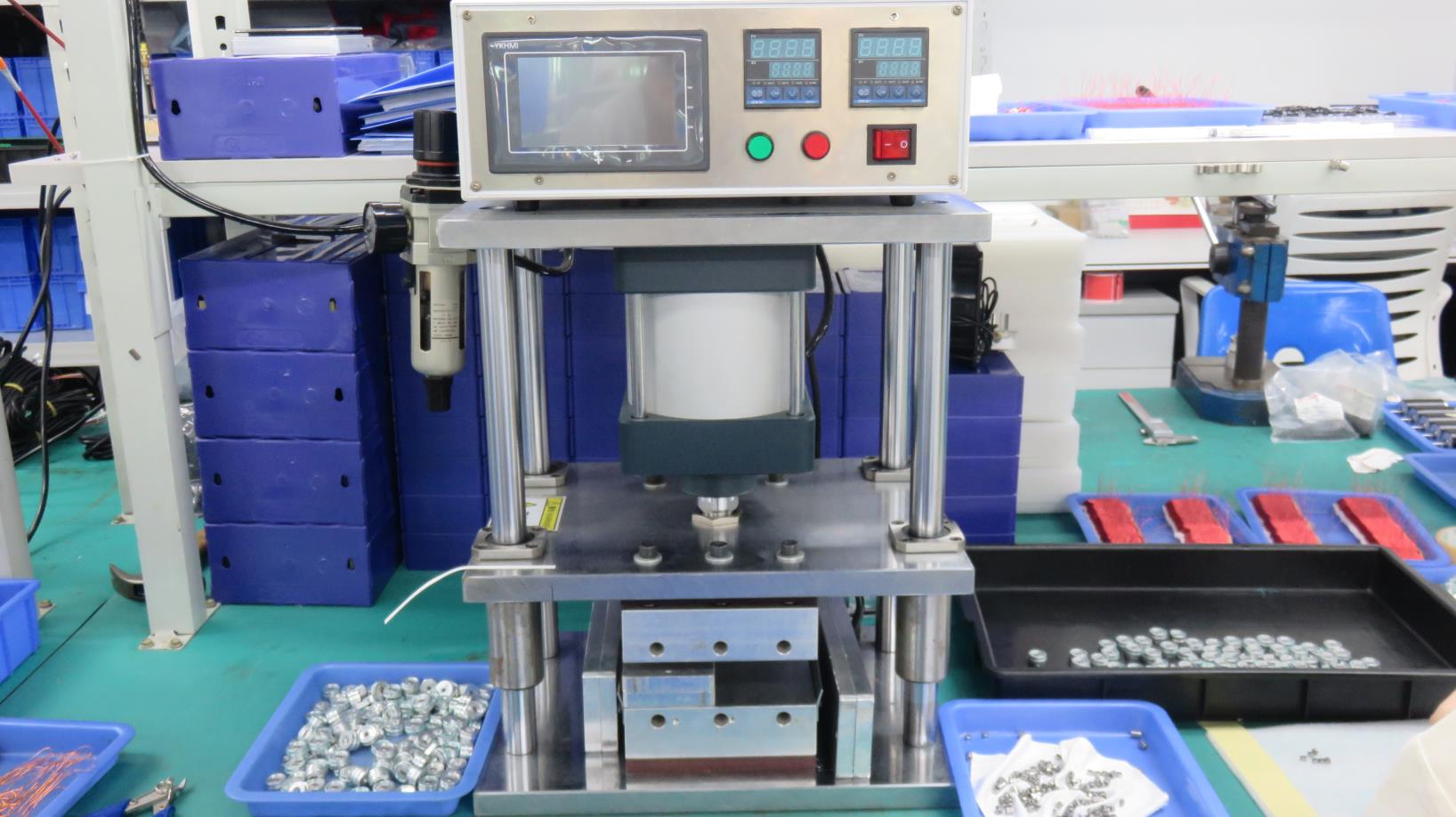
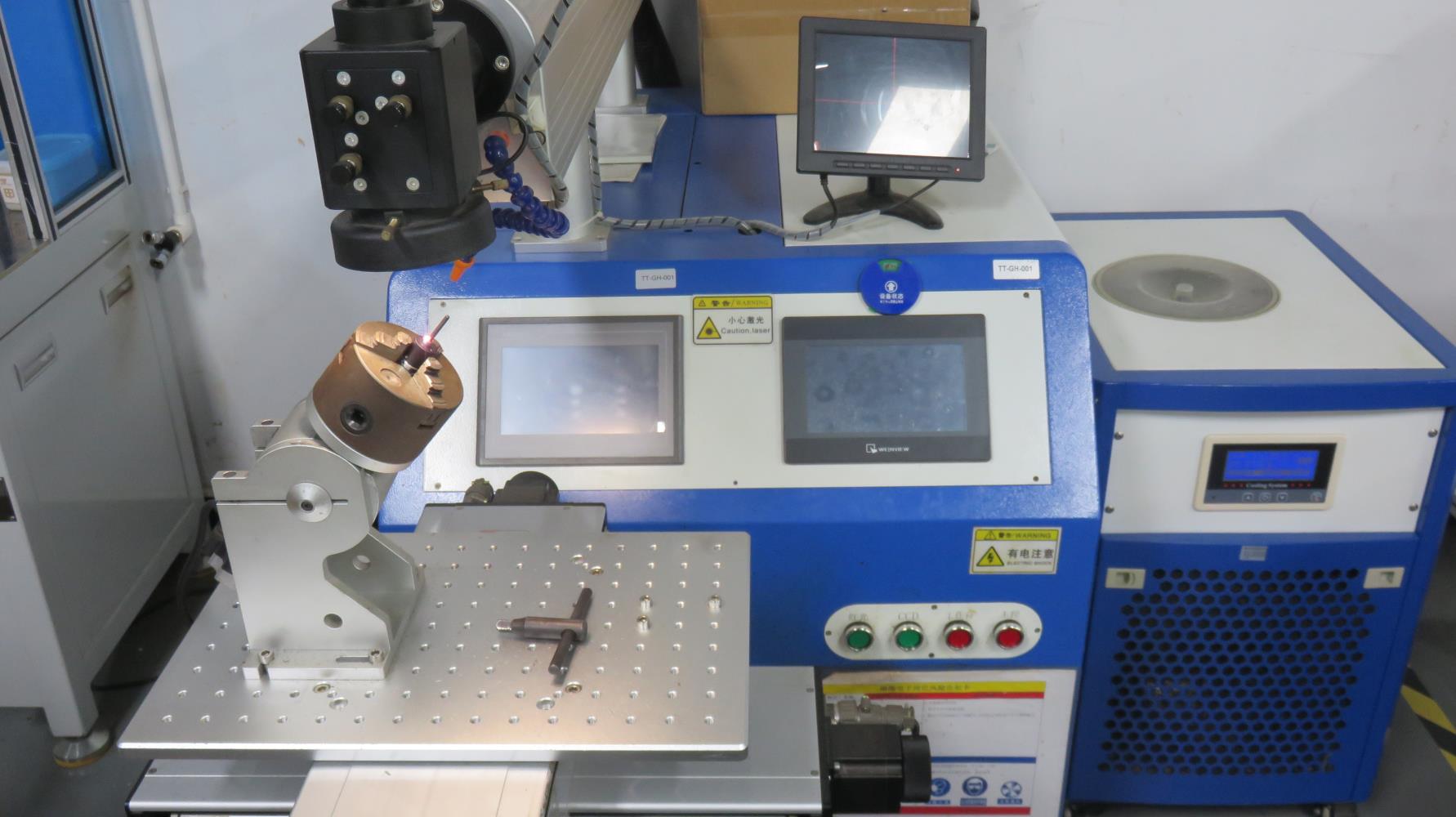
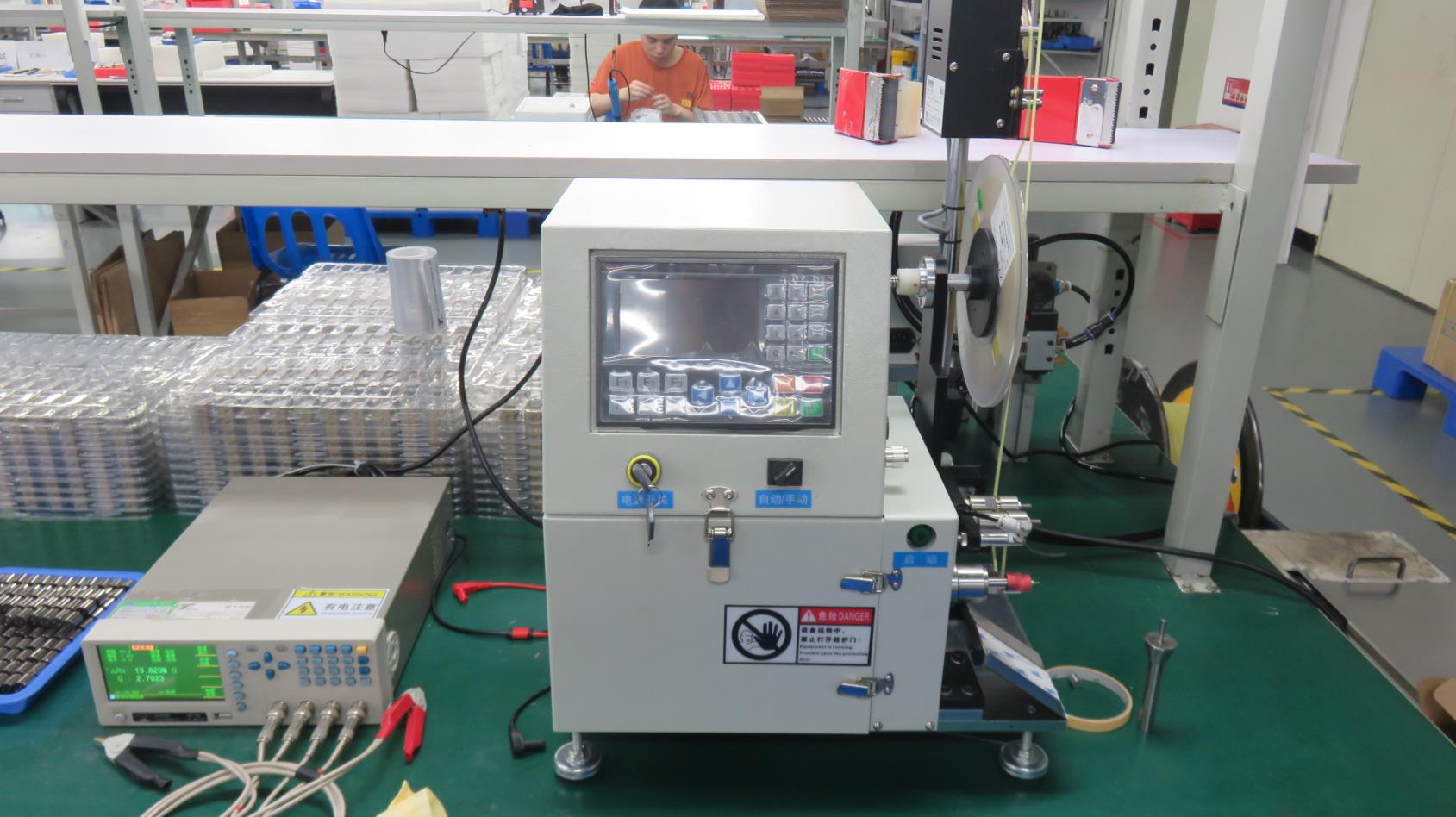
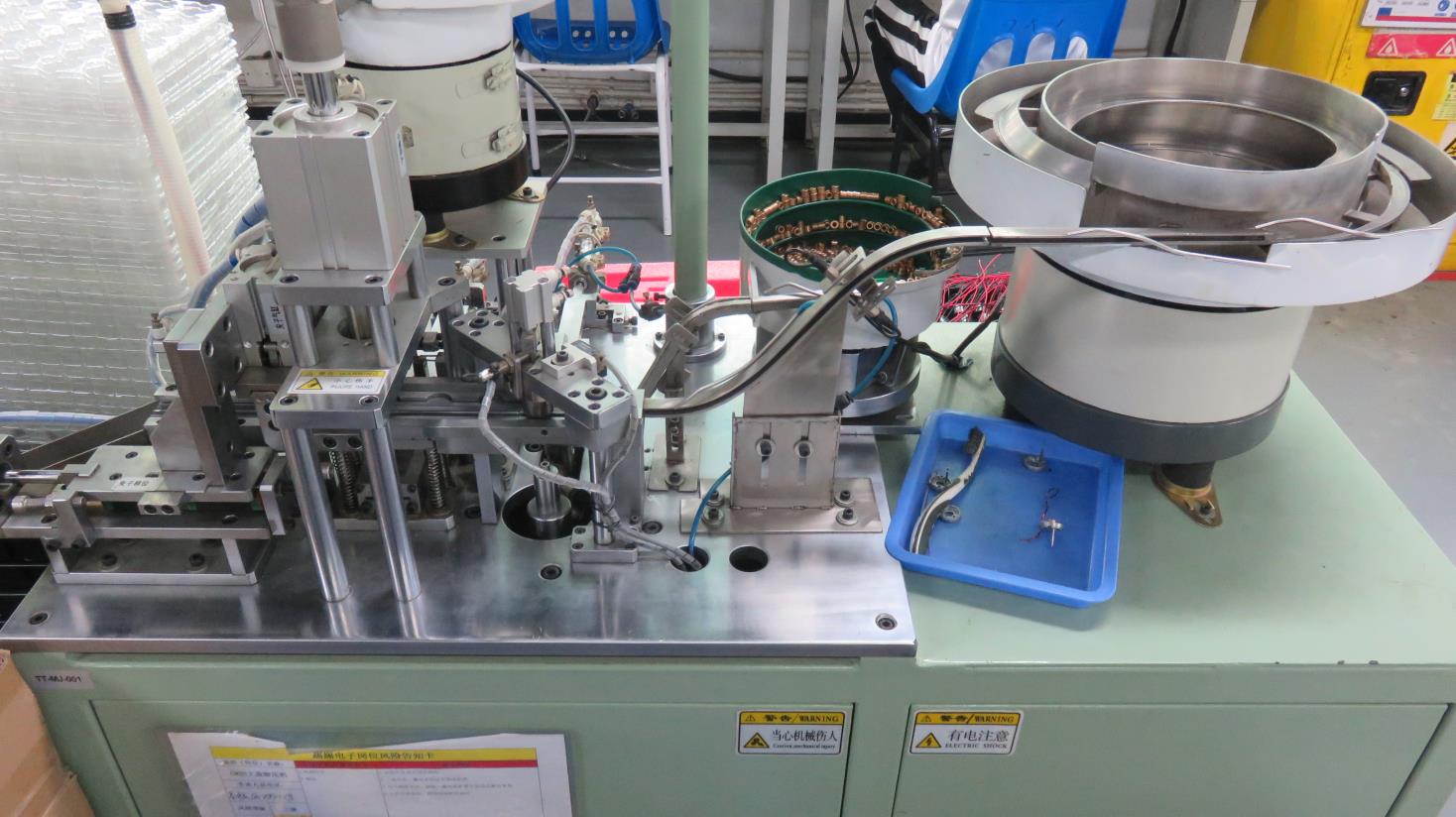
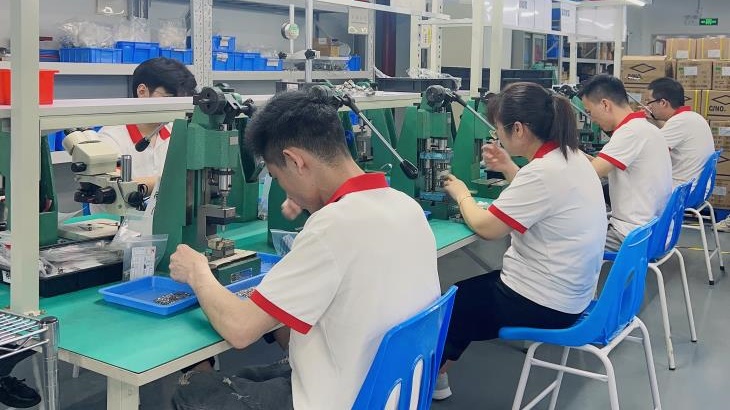
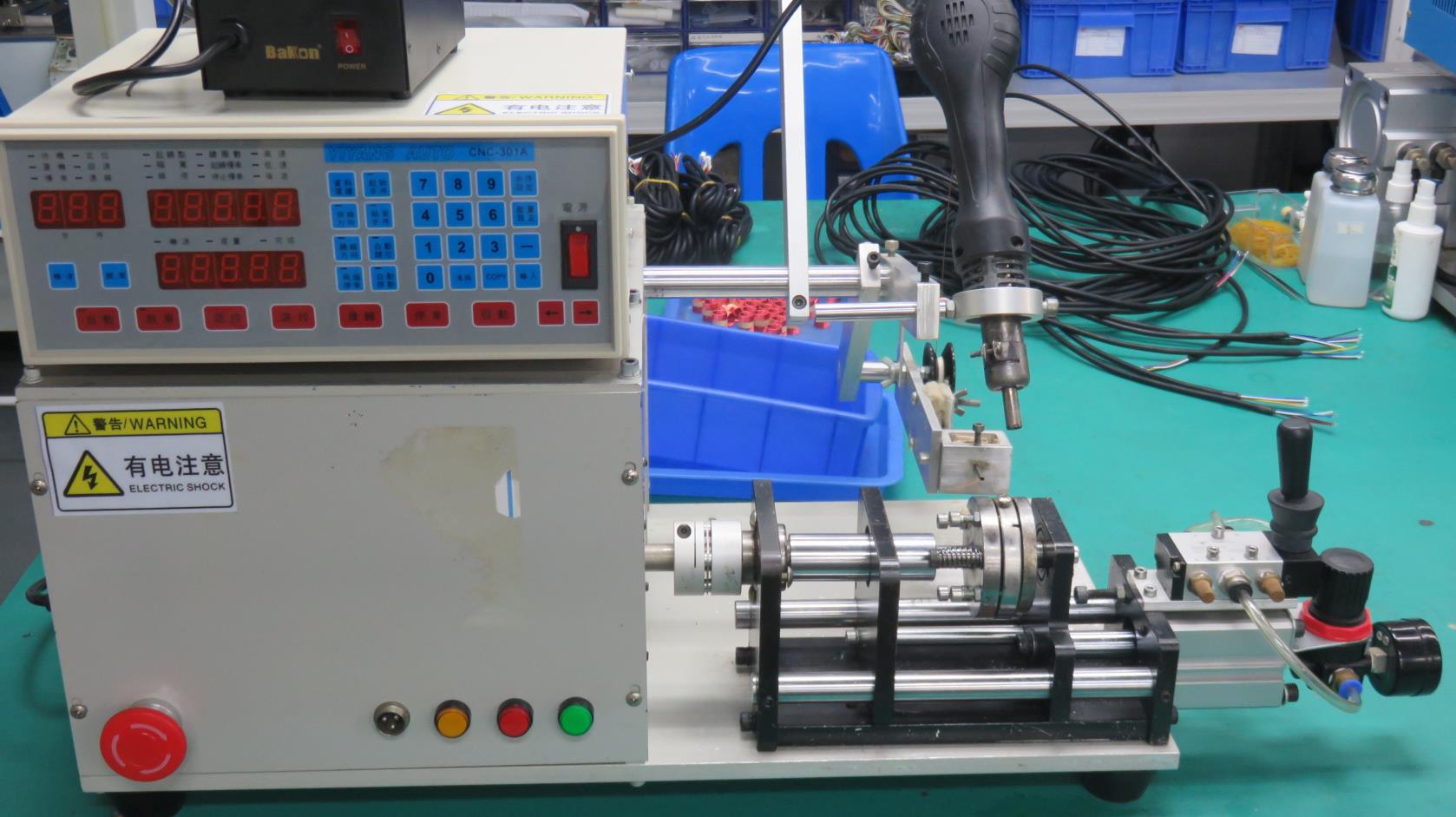
Precision Machinery & Automation Capabilities
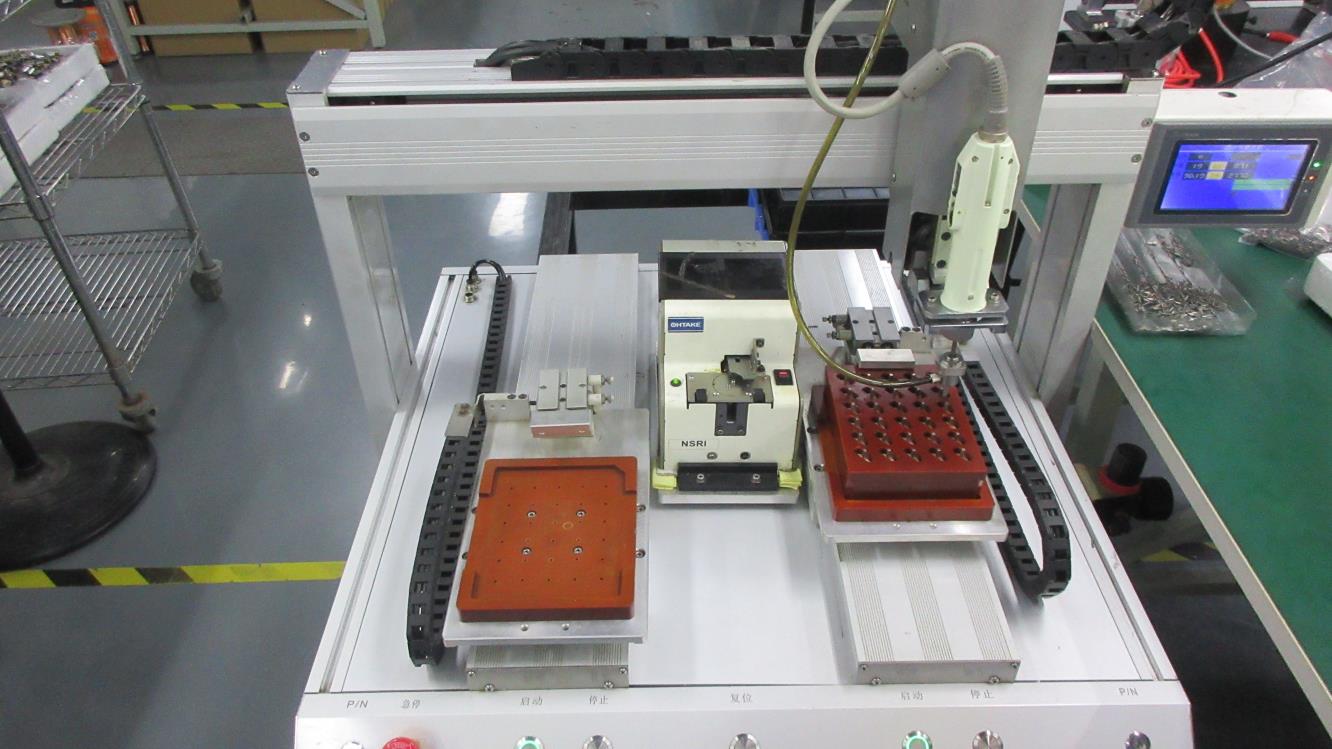
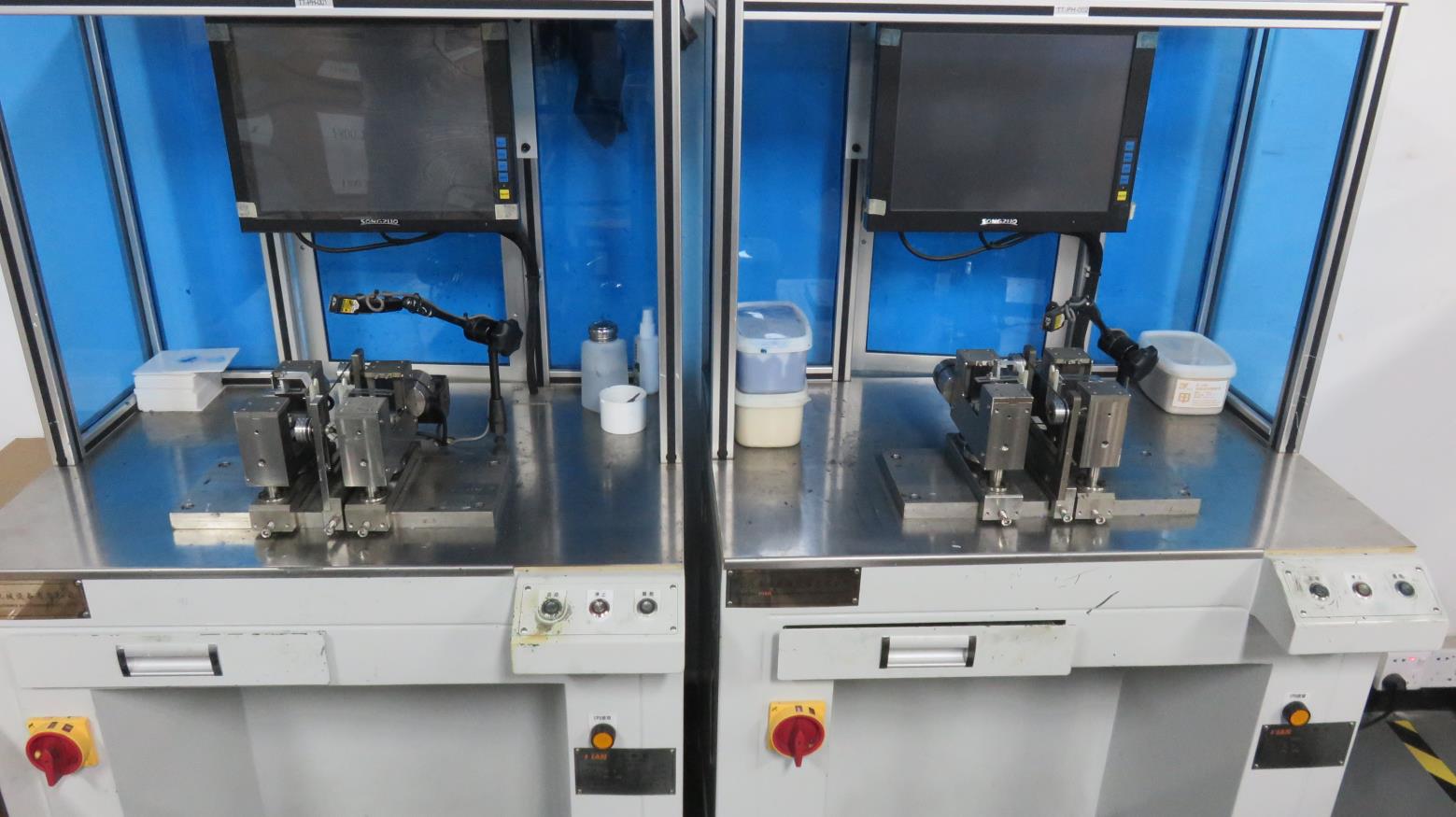
Our production floor features modern machinery, helping ensure consistency across high-volume production runs.
Frequently Asked Questions (FAQ)
Expert technical answers to common queries regarding micro gear motors in modern networks.
Explore Our Extended Precision Motor Catalog
Custom micro-motors and controllers engineered for industrial, medical, and telecom systems.