When it comes to precision in automation, "Motor With Encoder" is a pivotal component. These motors help achieve high accuracy in movement and positioning. Their role in various industries, from robotics to manufacturing, cannot be overlooked. However, choosing the right motor with encoder can be a daunting task for many buyers.
Across the globe, buyers face challenges due to the wide variety of options. Each motor presents unique characteristics, which can complicate the selection process. Some buyers may prioritize speed, while others might focus on torque or energy efficiency. It's essential to weigh these factors carefully. Mistakes in choosing the wrong motor with encoder can lead to inefficiencies and increased costs.
This article explores the top 10 motor with encoder options, providing insights and details for global buyers. By reviewing these choices, readers can enhance their understanding. They will gain access to reliable information that may aid in making thoughtful decisions. It's not just about the purchase; it's about investing in quality and performance for the future.
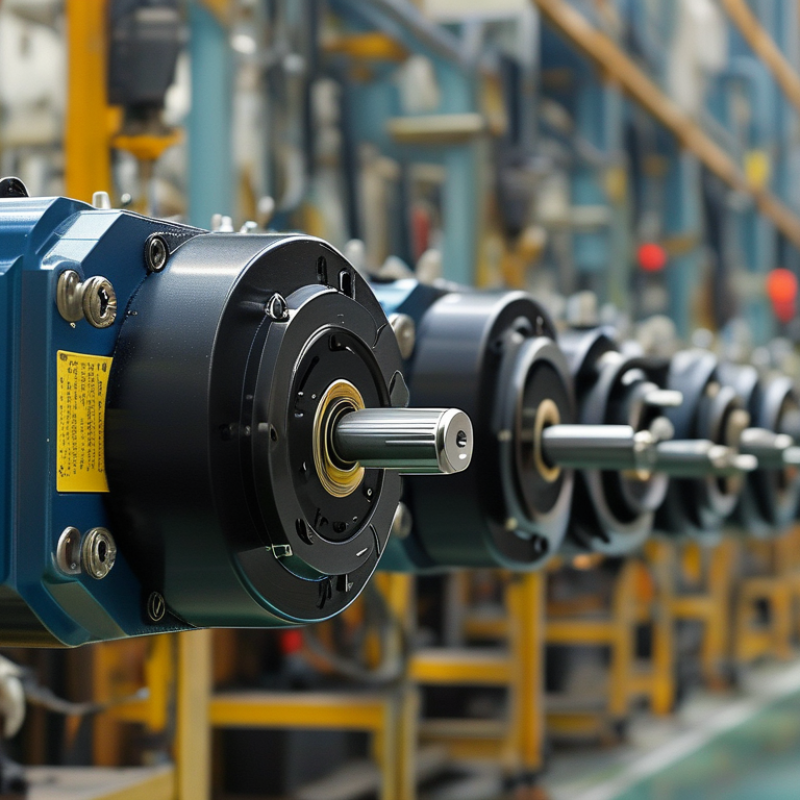
Motor encoders play a crucial role in various applications, offering essential feedback for motion control systems. They convert the position or motion of a rotating shaft into electrical signals. This data enables precise control of speed and position in automated systems. Whether in robotics or CNC machinery, the accuracy provided by encoders is vital for performance.
Different types of encoders exist, like incremental and absolute encoders. Incremental encoders track movement by counting pulses, while absolute encoders provide a unique position value at any time. Understanding the specific needs of your application is key to choosing the right type. However, the complexity in selection can lead to confusion. Choosing an incorrect encoder may lead to system inefficiencies or failures.
In applications like conveyor belts or robotic arms, the feedback from encoders ensures smooth operation. Yet, integrating these systems requires a good grasp of motor compatibility and encoder resolution. Many buyers overlook these aspects, resulting in costly mistakes. It's important to reflect on the full system's design before selecting a motor with an encoder. Balancing specifications and application needs is essential for achieving optimal results.
When selecting the best encoders for motors, several key factors should be taken into account.
Precision is paramount.
High-resolution encoders provide more accurate positioning information.
According to a 2022 industry report, systems with 1,024 pulses per revolution can enhance performance significantly in robotics and automation.
Resolution defines how finely a position can be measured, impacting overall system efficiency.
Durability is another critical criterion. Encoders must withstand harsh environments.
Many applications expose devices to dust, moisture, and extreme temperatures.
Encoders rated for IP67 can resist these elements effectively.
A durable encoder reduces maintenance costs and increases the system's reliability, ensuring longer operational life.
Cost is a balancing act.
While high-end encoders offer greater precision and durability, budget constraints are common.
A survey from TechAnalyst showed that over 40% of companies prioritize cost-effectiveness in encoder selection.
Therefore, buyers should consider the total cost of ownership rather than just initial purchase price.
Striking the right balance between performance and expense is essential for making informed decisions.
When exploring motor options with encoders, various brands stand out. These manufacturers excel in precision and reliability. They provide motors equipped with high-quality encoders. Such systems are vital for applications requiring accurate feedback. Motion control, robotics, and automation industries especially benefit from these features.
Many brands offer a range of motor sizes and types. They cater to different applications, from small servos to large industrial motors. Users often appreciate the variety of encoder options available, including incremental and absolute types. The integration of these encoders allows for enhanced control and performance. However, choosing the right motor can be challenging. Some options may not suit specific needs.
Selecting a motor involves understanding your project's requirements. Consider the torque, speed, and encoder type needed. Some models may lack certain features while others may include unnecessary elements. Assessing these aspects can save time and resources. Moreover, relying solely on brand reputation can lead to oversight. Engaging with technical specifications is crucial for an informed decision.
| Motor Type | Power Rating (kW) | Encoder Type | Control Compatibility | Typical Applications |
|---|---|---|---|---|
| Servo Motor | 0.5 - 50 | Incremental | PLC, Motion Controllers | Robotics, CNC Machines |
| Stepper Motor | 0.1 - 10 | Absolute | Microcontrollers, PLCs | 3D Printers, Scanners |
| DC Motor | 0.1 - 100 | Incremental | Variable Speed Drives | Fans, Pumps |
| AC Induction Motor | 0.5 - 500 | Optical | VFDs, PLCs | Industrial Drives, Conveyors |
| BLDC Motor | 0.5 - 30 | Absolute | Speed Controllers | Electric Vehicles, Drones |
| Synchronous Motor | 1 - 200 | Incremental | Stable Control Systems | Pumps, Compressors |
| Linear Motor | 0.5 - 25 | Absolute | Motion Control Systems | Elevators, Automated Systems |
| Universal Motor | 0.1 - 1.5 | Incremental | AC/DC Driven Circuits | Household Appliances |
| PMSM | 0.1 - 100 | Absolute | Inverters, Control Drives | Robotics, HVAC Systems |
When evaluating motors with encoders, understanding encoder types is crucial. Encoders provide vital feedback, enhancing motor control efficiency. There are mainly two types: incremental and absolute.
Incremental encoders track position relative to a starting point. They are simpler and often more cost-effective. However, they can lose track of position without a reference reset.
On the other hand, absolute encoders deliver a unique position value for each location. This feature allows for better precision in applications needing consistent feedback. A market report indicates that the global encoder market is projected to grow at a CAGR of 6.18% from 2021 to 2028. This growth reflects increased demand for automation across various industries.
Both encoder types have pros and cons. Incremental encoders are suitable for simpler applications. Yet, they may lead to inaccuracies if not calibrated correctly. Absolute encoders are beneficial for high-precision tasks. However, they can be more expensive and complex. Understanding these differences is key for global buyers. Selecting the right encoder type can significantly impact motor performance and application efficiency.
As industries evolve, the demand for motors with integrated encoders intensifies. These components enhance precision and control in various applications. Global trends highlight a shift towards more efficient designs. Manufacturers focus on reducing energy consumption while improving performance. Innovations include compact sizes and enhanced durability.
Tips: When selecting motors with encoders, consider operational requirements. Match the encoder resolution to your application needs carefully. This will ensure optimal performance and reliability.
Sensors and feedback systems are becoming vital in automation. They allow for real-time adjustments and increased accuracy. The Internet of Things (IoT) is also influencing motor technology. It enables easier integration and remote monitoring of systems. Not all innovations fit every environment, so assessing compatibility is crucial.
Tips: Evaluate the environmental conditions before making a decision. Some motors perform poorly in extreme temperatures or high humidity. Always check reliability ratings from multiple sources for informed choices.
This chart represents the popularity index of various types of motors with encoders, highlighting the trends and preferences of global buyers in the motor technology market.
: Motor encoders convert the position or motion of a rotating shaft into electrical signals for motion control.
The two main types are incremental encoders and absolute encoders, each serving different purposes.
Incremental encoders track movement by counting pulses generated by rotation.
Absolute encoders provide a unique position value at any given time, improving accuracy.
Understanding motor compatibility ensures proper integration of encoders, preventing costly mistakes in applications.
Consider factors such as torque, speed, and the type of encoder required for your application.
Yes, selecting the wrong encoder can lead to inefficiencies or system failures, impacting overall performance.
Higher encoder resolution allows for finer control and precision in various applications, enhancing efficiency.
Many buyers overlook compatibility and resolution, which can result in costly integration issues.
Reflecting on the full system design helps balance specifications and application needs for optimal results.
Motor with encoder technology plays a critical role in enhancing the precision and control of various applications across industries. Understanding motor encoders involves exploring how they operate and integrate with motors to provide feedback on position, speed, and direction. When selecting the best motor with encoder options, buyers should consider factors such as compatibility, resolution, and durability to meet specific operational needs.
The comparative analysis of encoder types, including incremental and absolute encoders, reveals distinct advantages depending on the application requirements. Additionally, global trends indicate a growing emphasis on advanced motor and encoder technologies, driven by the demand for automation and improved efficiency in manufacturing processes. By staying informed about these trends and criteria, global buyers can make informed decisions when choosing the right motor with encoder for their projects.