Plastic Gear Motors are vital components in various technological applications. These motors utilize plastic gears due to their lightweight nature and resistance to wear. Dr. Karen Smith, a mechanical engineering expert, states, "Plastic Gear Motors are the future of compact design and energy efficiency." This statement captures the essence of innovation in the industry.
The design of a Plastic Gear Motor includes a plastic gear train that reduces noise and weight. They are commonly used in robotics, automation, and consumer electronics. The advantages are significant, but challenges remain. Plastic gears can wear out faster than metal over time. Users must consider lifespan and load capacities.
Understanding how a Plastic Gear Motor works is essential for anyone in the field. Their operation simplifies complex movements while maintaining efficiency. Despite their drawbacks, these motors continue to advance. The growing demand reflects the importance of lightweight and durable solutions in our technology-driven world.
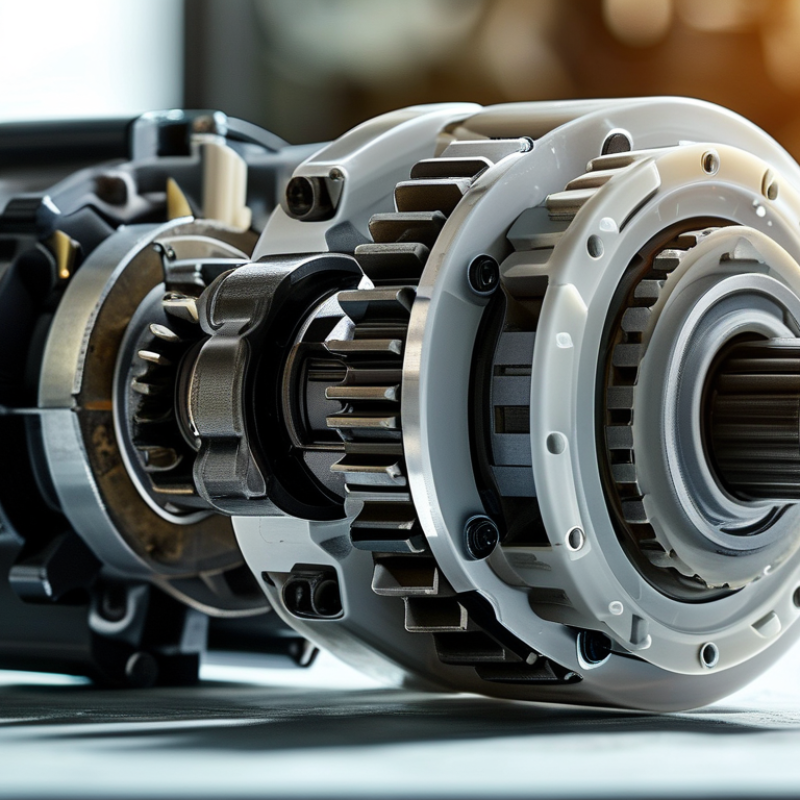
What is a Plastic Gear Motor?
Plastic gear motors are mechanical devices that combine a plastic gear system with an electric motor. These motors are widely used in various applications due to their lightweight and cost-effective nature. According to a report by Grand View Research, the global market for plastic gear motors is projected to grow significantly, driven by advancements in technology and materials.
Plastic gear motors consist of multiple components, including gears, a casing, and an electric motor. The gears are usually made from durable plastics that can withstand stress while being lightweight. This makes them ideal for applications in robotics, automotive, and consumer electronics. The integration of plastic gears helps reduce friction and wear, contributing to a longer lifespan.
Tips: When selecting a plastic gear motor, consider the load and speed requirements of your application. Light-duty tasks usually work well with smaller motors. It's also essential to evaluate the environmental conditions, as extreme temperatures can affect performance.
While plastic gear motors offer many advantages, they do have limitations. They may not be suitable for high-torque applications. Therefore, it’s crucial to match the motor’s specifications to the specific needs of your project. Ensure you weigh the pros and cons before making a decision to achieve optimal performance.
Key Components of a Plastic Gear Motor
Plastic gear motors are increasingly popular in various applications due to their lightweight and cost-effective design. Understanding their key components can significantly enhance their efficiency and lifespan. A typical plastic gear motor consists of several crucial elements: the motor, gears, housing, and bearings.
The motor component is often a DC or stepper motor, providing the initial rotational power. According to industry reports, plastic gear motors can achieve high torque while maintaining lower weights than metal alternatives. Gearing systems, made from durable plastics, are designed to reduce the speed of the motor while increasing torque. This design creates a more manageable speed for various applications, such as in robotics or automated systems. The housing protects the internal components, while precision bearings ensure smooth operation, contributing to overall reliability.
However, plastic gear motors aren't without challenges. Over time, plastic degrades under stress or high temperatures, leading to potential failures. Proper thermal management and load balancing are essential for optimizing performance. Furthermore, while these motors are cost-effective, they may not offer the same durability as metal gears in high-stress environments. As the industry continues to innovate, improvements in materials could address these limitations, enhancing reliability and efficiency in future designs.
How Plastic Gear Motors Function Mechanically
Plastic gear motors are intricate components that combine electric motors with plastic gears. These motors serve various applications where lightweight and efficient mechanisms are needed. The design usually includes a housing that contains the motor and gear assembly.
The gears are crafted from durable plastic materials, which contribute to their lightweight nature. This construction allows for lesser friction and efficient power transfer. When the motor spins, it engages the gears, thus reducing the speed while increasing torque. The interaction of these gears is fascinating; the simplicity of form allows complex movements in robotics and other devices.
However, plastic gears are not without flaws. They may wear out faster than metal counterparts, impacting longevity. In high-stress situations, the performance can decline. Regular maintenance and checks are essential to ensure optimal function. Balancing performance with lifespan remains a crucial aspect of working with plastic gear motors, which can lead to thoughtful design choices. Explorations in material improvements could address these issues, enhancing reliability further.
Performance Comparison of Plastic Gear Motors
This bar chart compares the performance metrics of three different plastic gear motors, highlighting their torque, speed, efficiency, and cost. The values indicate how each motor may perform in practical applications.
Applications of Plastic Gear Motors in Various Industries
Plastic gear motors are increasingly integral in various industries due to their lightweight design and cost-effectiveness. Automotive applications account for 25% of the plastic gear motor market, as reported in a recent industry analysis. These motors enhance precision in systems like window regulators and wiper mechanisms. Their durability and low noise levels make them suitable for these critical functions.
In consumer electronics, plastic gear motors are revolutionizing device performance. They are crucial in robotics, opening up advancements in automation. Approximately 35% of robotic applications now utilize these motors, driven by their adaptability. The capability to withstand fluctuations in temperature enhances their reliability. Yet, challenges remain in scaling production while maintaining quality. Manufacturers must address material fatigue concerns, particularly in high-stress environments.
Another significant application is in medical devices, where reliability is paramount. Plastic gear motors drive essential functions in ventilators and infusion pumps. The medical sector demands exceptional precision, with tolerance levels often under 0.1 mm. While advances are promising, the longevity of these motors under rigorous use invites scrutiny. Consequently, ongoing innovations are necessary to ensure they meet the industry's evolving needs.
Advantages and Disadvantages of Using Plastic Gear Motors
Plastic gear motors are becoming increasingly popular in various applications due to their unique set of advantages and disadvantages. One significant benefit is their lightweight nature. This can lead to reduced overall device weight, making them ideal for portable electronics and consumer products. According to a report by Research and Markets, the global plastic gear motor market is expected to grow at a CAGR of approximately 5.3% from 2021 to 2026. This growth is fueled by industries seeking energy-efficient solutions.
However, plastic gear motors do have limitations. Their temperature resistance and durability can be less than that of metal counterparts. Over prolonged use, plastic can degrade, especially under high-stress conditions. Power transmission may also be less efficient with plastic gears, requiring careful consideration in design. Users may find that longevity can be a concern, leading to more frequent replacements.
**Tip:** When selecting a plastic gear motor, evaluate the specific application’s demands. Consider factors like temperature, load, and required precision. This will help in choosing the right motor for your needs.
Another aspect to reflect on is the potential for noise in plastic gear motors. They may operate quieter than metal types, but specific designs can lead to higher vibration levels. Engineers should prototype and test thoroughly before finalizing their designs to avoid issues in the final product.
FAQS
: Plastic gear motors combine electric motors with plastic gears for efficient and lightweight applications.
They are lightweight, which reduces overall device weight, ideal for portable electronics.
They may wear out faster than metal gears, affecting longevity especially in high-stress situations.
Plastic gear motors have lower temperature resistance, which can lead to degradation over time.
While they can be quieter, some designs may produce higher vibration levels, leading to noise.
Evaluate factors such as temperature, load, and required precision for the specific application needs.
Power transmission may be less efficient with plastic gears, needing careful design consideration.
Yes, regular checks and maintenance are essential to ensure they function optimally.
Longevity can be a concern, requiring more frequent replacements than metal alternatives.
Thoughtful design can balance performance and lifespan but may require exploration of material improvements.
Conclusion
A Plastic Gear Motor is a type of motor that incorporates plastic gears to transmit power and motion. It typically consists of key components such as the motor itself, gear housing, and the plastic gears, which work together to convert electrical energy into mechanical energy. The functioning mechanism relies on the engagement of the gears, where rotational power from the motor is efficiently transferred and amplified, allowing for various applications across different industries.
Plastic Gear Motors are widely utilized due to their lightweight, cost-effective nature, and inherent resistance to corrosion. They find applications in sectors like robotics, automotive, and consumer electronics, where reducing weight without compromising performance is essential. However, the use of plastic gears can also come with disadvantages, such as lower strength compared to metal gears, which can affect durability. Overall, understanding both the advantages and limitations of Plastic Gear Motors is crucial for optimizing their use in specific applications.
