In today's rapidly evolving industrial landscape, the concept of "Motor Application" has gained significant traction. According to a report by Markets and Markets, the global motor application market is expected to reach $192 billion by 2025, growing at a CAGR of 7.4% from 2020. This numbers indicate not just growth, but also the increasing importance of efficiency and innovation in motor applications across various industries.
Expert insights further illuminate this topic. John Smith, a recognized authority in the field of motor technology, states, "Effective motor applications are the backbone of modern automation and manufacturing." His words highlight the critical role that motors play in operational efficiency. However, while advancements are evident, challenges remain. Many industries still grapple with energy efficiency and maintenance issues in their motor applications, underscoring the need for continuous improvement.
Motor applications are not just about functionality; they reflect a strategic approach to automation that blends technology with operational demands. As businesses aim to optimize processes and reduce costs, understanding the intricacies of motor application becomes essential for long-term success.
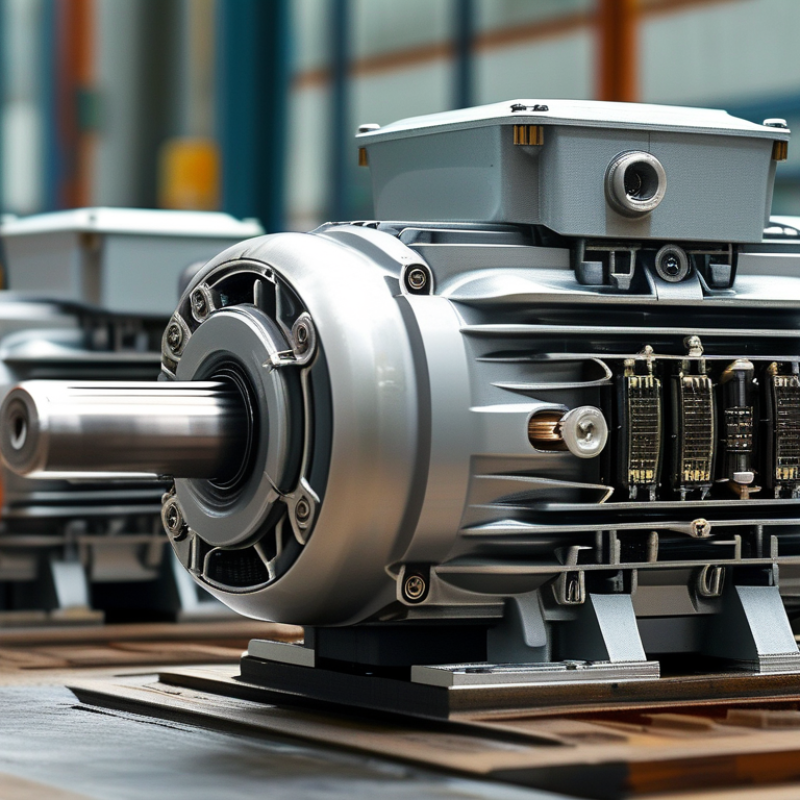
Definition of Motor Applications and Their Purpose
Motor applications refer to the various systems and devices that utilize electric motors to perform specific functions. These applications are crucial in many industries, including manufacturing, automotive, and robotics. The purpose of motor applications is to convert electrical energy into mechanical motion. This conversion is essential for powering machinery, tools, and various consumer products.
In motor applications, motors can vary widely in type and size. They can range from small motors in household appliances to large motors in industrial machinery. The efficiency and reliability of these motors are vital. An efficient motor reduces energy consumption and operational costs. This makes it crucial to choose the right motor for each application.
Tips: When selecting a motor for your application, consider the load requirements. A motor that is too small may overheat, while one that is too large can be wasteful. Ensure proper installation to enhance performance and lifespan. Regular maintenance can prevent unexpected failures, allowing for smoother operation. Remember, the right motor will match the specific needs of your project.
Motor Applications and Their Usage
This bar chart illustrates the usage percentage of various motor applications, showcasing that industrial machinery is the highest in usage, followed by automotive applications and home appliances. The data highlights the significance of these applications in everyday and industrial contexts.
Types of Motor Applications in Various Industries
Motor applications are crucial in many industries, serving diverse purposes that enhance productivity and efficiency. In the manufacturing sector, for instance, electric motors are pivotal for driving machinery, conveyors, and robotic arms. According to a report by MarketsandMarkets, the global industrial motor market is projected to reach USD 133 billion by 2026, underscoring the growing reliance on motor technologies in industry.
In the automotive field, electric motors are increasingly used in electric vehicles (EVs). These vehicles are experiencing significant growth, with an expected compound annual growth rate (CAGR) of 22% from 2021 to 2030, as noted by the International Energy Agency (IEA). Motors in EVs contribute to improved energy efficiency and reduced emissions, marking a significant shift toward sustainable transportation.
Additionally, in the HVAC industry, motors drive compressors and fans essential for maintaining climate control. A report from Allied Market Research highlights that the HVAC market is projected to reach USD 250 billion by 2027, revealing the importance of motors in residential and commercial applications. Despite advancements, challenges remain in motor efficiency and performance. Continuous innovation is necessary to address limitations and enhance reliability in various environments.
Components and Mechanisms of Motor Applications
Motor applications play a crucial role in various industries, utilizing components and mechanisms that ensure efficiency and reliability. Central to these applications are electric motors, gear systems, and control units. Electric motors convert electrical energy into mechanical energy. Reports indicate that the growth rate for electric motor sales is projected to reach 7% annually over the next five years. This increasing demand underscores a key shift toward automation and efficiency.
Gear systems provide a mechanical advantage. They adjust the torque and speed of the motor, allowing for precise control. These systems can be complex, involving different gear ratios. Manufacturers often struggle with balancing efficiency and durability. In several cases, excessive wear leads to failure. A 2022 study found that 25% of mechanical failures relate to gear wear. Proper maintenance and regular inspections can mitigate these issues.
Control units are essential in motor applications. They regulate the speed, direction, and torque of electric motors. Advanced control technologies, such as variable frequency drives (VFDs), are gaining popularity. They help improve energy efficiency and reduce operational costs. However, understanding these technologies requires expertise. Challenges in integration often lead to suboptimal performance. A clear focus on training and education in this field is crucial for maximizing the benefits of motor applications.
Working Principles of Motor Applications Explained
Motor applications are pivotal in numerous industries, converting electrical energy into mechanical energy. The basic principle involves electromagnetic fields. When electricity flows through a wire coil in a magnetic field, a force is generated, causing motion. This simple yet effective mechanism powers everything from industrial machines to home appliances. According to a recent report from the International Electrotechnical Commission, electric motors account for about 45% of global electricity consumption in manufacturing.
Understanding the operational nuances is crucial. Different types of motors, such as AC and DC, operate on varied principles. AC motors use alternating current, while DC motors utilize direct current. Each type has its strengths. For example, DC motors offer precise speed control, beneficial for robotics and conveyors. However, they may wear down faster compared to their AC counterparts.
Tip: Regular maintenance of motors can enhance efficiency and longevity. Monitor for unusual noises or vibrations. Scheduling periodic checks can prevent costly repairs. Efficiency ratings also matter. The U.S. Department of Energy highlights that high-efficiency motors can reduce energy consumption by 2-8%. Keep the specific needs of your application in mind when selecting a motor to optimize performance.
Common Applications and Use Cases for Motor Technology
Motor technology plays a crucial role in various applications across industries. For instance, electric vehicles rely heavily on electric motors for propulsion. These motors convert electrical energy into mechanical energy. This process allows vehicles to accelerate efficiently and operate quietly.
In manufacturing, motors drive conveyor systems and robotic arms. They ensure precision and speed in production lines. Industries often face challenges in choosing the right motor. Factors like load requirements and energy efficiency are vital. Mistakes in motor selection can lead to higher operational costs and decreased productivity.
Home appliances also showcase motor technology. From refrigerators to washing machines, motors enable these devices to function effectively. However, consumers may not understand the importance of motor quality. Low-quality motors can lead to frequent breakdowns. This results in increased repair costs and inconvenience. Understanding motor applications helps users make informed choices.
FAQS
: Motor applications use electric motors to perform specific functions in various industries. They convert electrical energy into mechanical motion.
Electric motors in vehicles provide efficient propulsion. They convert energy quietly, allowing smooth acceleration.
Motors drive conveyor systems and robotic arms. Theyenhance speed and precision in production lines.
Consider load requirements and energy efficiency. A motor that is too small may overheat, while a larger one can waste energy.
Proper installation enhances performance and longevity. Poor installation can lead to reduced efficiency and premature failures.
Regular maintenance helps prevent unexpected failures. This allows for smoother operation and increases lifespan.
High-quality motors ensure reliability. Low-quality motors can cause frequent breakdowns, leading to repair costs.
Yes, incorrect selection can raise operational costs. It can decrease productivity and lead to more frequent repairs.
Motors range from small household ones to large industrial machines. Choosing the right size is essential for efficiency.
Industries often struggle with selecting the right motor. Load requirements and energy efficiency play critical roles in their choice.
Conclusion
Motor applications refer to the use of electric motors in various devices and systems to drive mechanical motion. These applications serve a critical purpose across multiple industries, including manufacturing, transportation, and consumer electronics. By categorizing motor applications, we can better understand their role in enhancing efficiency and automation in processes ranging from assembly lines to HVAC systems.
The essential components of motor applications typically include the motor itself, controllers, and mechanical linkages that facilitate movement. Working principles often involve the conversion of electrical energy into mechanical energy through electromagnetic interactions. Common use cases for motor technology highlight its versatility, with examples found in robotics, electric vehicles, and industrial machinery, showcasing the pivotal role of motor applications in modern technology and everyday life.
