The Coreless DC Motor represents a significant advancement in motor technology. Unlike traditional motors, it features a unique design that enhances efficiency. According to a report by MarketsandMarkets, the global market for DC motors is expected to reach $24 billion by 2025, reflecting a growing demand for high-performance motors.
Experts emphasize the importance of this innovation. Dr. Emily Johnson, a leading authority in electrical engineering, states, “Coreless DC Motors offer exceptional power-to-weight ratios, making them ideal for compact applications.” This highlights the potential of coreless designs in robotics and portable devices.
Despite their advantages, coreless DC motors still face challenges. Their cost can be higher than conventional motors, which raises concerns for mass adoption. Additionally, manufacturers need to navigate production complexities. These factors warrant careful consideration as the industry moves forward. Overall, the Coreless DC Motor is paving the way for future innovations in various fields.
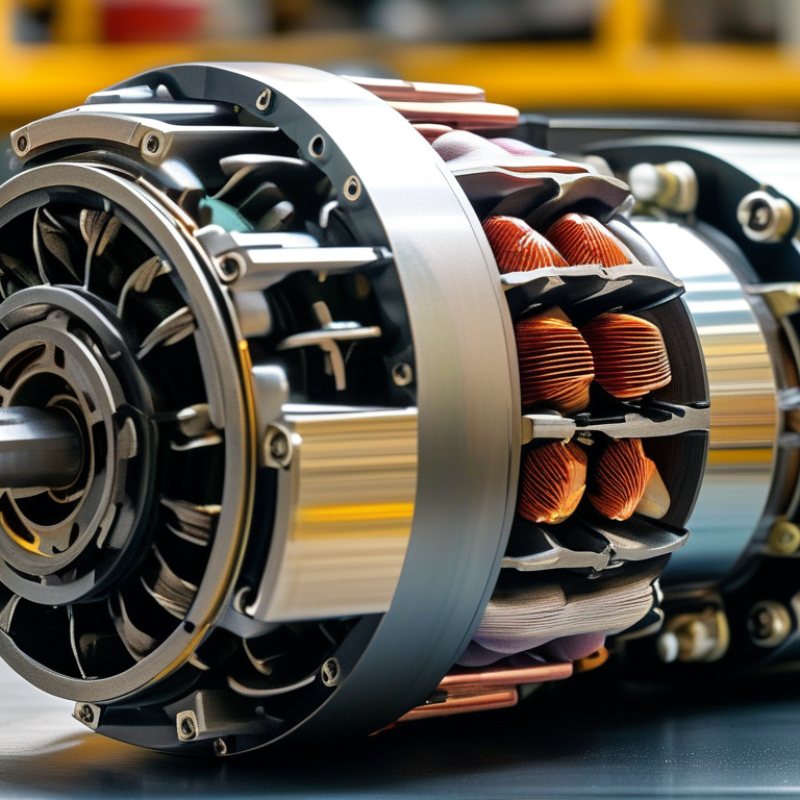
Coreless DC motors are distinctive in their construction and functionality. Unlike traditional motors, they lack a bulky iron core. This design results in several key advantages. The absence of a core leads to a lighter weight and a more compact size. Users benefit from increased efficiency and faster response times. It’s important to note, however, that this design can introduce challenges, such as thermal management and potential sensitivity to external magnetic fields.
The characteristics of coreless DC motors make them suitable for specific applications. Their lightweight nature is ideal for robotics and drones. They provide high torque at low speeds, which is advantageous for precise control. However, users should consider their limitations. The materials used can affect durability and performance over time. Maintaining optimal operation may require careful attention to the environment where these motors are deployed. Understanding these nuances is crucial for anyone working with coreless DC motors.
This chart illustrates the essential performance characteristics of coreless DC motors, including speed, torque, efficiency, and voltage. The data highlights the capabilities and operating parameters that are crucial for applications utilizing these motors.
Coreless DC motors are an innovative type of electric motor that relies on a unique design, providing notable advantages over traditional motors. The absence of an iron core makes them lighter and enhances their efficiency. In these motors, the rotor's winding is directly mounted on the rotor, which allows for a very compact design. This construction leads to an impressive torque-to-weight ratio that has become increasingly valuable in various applications.
The mechanism of operation in coreless DC motors involves a commutation process that differs from its core counterparts. When voltage is applied, current flows through the rotor windings, creating a magnetic field. This interaction with the permanent magnets surrounding the rotor causes it to spin. Reports indicate that these motors can achieve speeds up to 90,000 RPM while maintaining a stable performance under varying loads. Despite these benefits, one must consider the higher manufacturing costs associated with the advanced materials used.
Additionally, the coreless design contributes to a reduced electromagnetic interference, making these motors suitable for applications sensitive to noise. However, potential inefficiencies can arise from the heat generated during operation, which may affect performance in tightly packed assemblies. Balancing performance and heat dissipation is crucial for maximizing the potential of coreless DC motors in modern technology.
| Specification | Details |
|---|---|
| Motor Type | Coreless DC Motor |
| Structure | No iron core, uses copper windings |
| Efficiency | Higher efficiency compared to traditional DC motors |
| Torque Characteristics | High torque at low speeds |
| Applications | Used in robotics, drones, and precision instruments |
| Advantages | Compact, lightweight, and quick response time |
| Disadvantages | Higher cost than conventional motors |
Coreless DC motors offer significant advantages over traditional motors. One notable benefit is their lightweight design. These motors lack a core, resulting in reduced weight. This is ideal for applications where weight is a critical factor, such as in drones and portable devices. Additionally, coreless motors exhibit less inertia. This means they can start and stop quickly, making them highly responsive in various applications.
Another advantage is the improved efficiency of coreless DC motors. With fewer components to restrict movement, these motors often run cooler and require less energy. This efficiency translates to longer battery life in portable devices. They also generally have a longer lifespan due to reduced wear and tear.
When considering a coreless motor for your project, ensure you evaluate its torque characteristics. Not all coreless motors perform well under high loads. Also, the balance between size and power output is crucial. Sometimes, smaller motors may not meet your application’s demands. Always weigh these factors before making a decision.
Coreless DC motors have gained traction in various industries due to their compact design and high efficiency. These motors excel in applications requiring precision and reliability. In robotics, for instance, they provide smooth and accurate movement. The lightweight structure allows robots to function with improved agility. This is crucial in navigating complex environments.
In medical devices, coreless DC motors are invaluable. They are often used in surgical tools and imaging equipment. Their low electromagnetic interference enhances the quality of sensitive operations. Precision is vital here, as any minor error can lead to significant consequences. This is where the design of coreless motors shines.
Tip: When selecting a coreless DC motor for your project, consider the torque and speed specifications that best fit your needs. Not all motors are created equal.
In the consumer electronics sector, these motors are prevalent in everything from drones to electric toothbrushes. Their ability to offer a high power-to-weight ratio makes them a popular choice. However, users should note that while performance is impressive, not every design is flawless. Understanding the specific requirements of your application can help avoid issues later on.
Tip: Always test prototypes under real-world conditions to gauge performance accurately. This will ensure you make informed decisions as you move forward.
Coreless DC motors are widely used in various applications. Maintaining these motors is essential for optimal performance.
Key factors include cleanliness, lubrication, and inspection.
Regularly checking for dust and debris is critical. Dust can interfere with the motor's operation, causing failures.
Lubrication is vital for reducing friction. Using appropriate lubricants extends the motor's life. However, over-lubrication can lead to issues.
It’s important to find a balance. Inspecting the brushes and commutator should not be overlooked. Worn components can significantly affect efficiency.
According to a report by the International Society of Automation, proper maintenance can improve the lifespan of coreless motors by
up to 30%. It emphasizes the need for routine inspections. These findings underline the importance of
a structured maintenance schedule. Even minor neglect can lead to increased wear. Addressing these issues early is crucial for
performance optimization. Regular care enhances reliability and efficacy.
: Coreless DC motors are motors without a bulky iron core. They are lightweight and compact.
They have reduced weight, improved efficiency, and faster response times. This benefits applications like drones.
Yes, their materials can affect durability. They may also be sensitive to thermal changes and magnetic fields.
Regular cleaning is essential. Inspect for dust, lubricate appropriately, and check brushes and commutators.
Yes, neglect can lead to increased wear and reduced efficiency. Proper maintenance can improve lifespan significantly.
Evaluate torque characteristics and ensure the size meets power output requirements. Smaller motors might not handle higher loads.
Lubrication reduces friction and wear. However, too much lubricant can also cause problems. Find the right balance.
Routine inspections are critical. Regular checks can help identify issues early and enhance performance.
Dust can interfere with motor operation, potentially causing failures. Keeping it clean is crucial for longevity.
No, their specific advantages make them best for particular uses. Carefully assess application needs before use.
A Coreless DC Motor is a type of electric motor that operates without a conventional iron core, resulting in a lightweight and highly efficient design. Its construction features a winding of copper wire that provides flexibility and responsiveness, making it suitable for applications requiring quick acceleration and deceleration. The mechanism of operation involves electromagnetic principles where the interaction between the winding and magnetic fields generates motion without the added weight of an iron core.
One of the key advantages of Coreless DC Motors over traditional motors is their superior efficiency and higher power-to-weight ratio, which translates into enhanced performance in a variety of applications. They are commonly utilized in industries such as robotics, aerospace, and medical devices, where precision and speed are crucial. Regular maintenance and care for these motors can ensure their longevity and optimal performance, making them a reliable choice for diverse applications.