How to Choose the Right Industrial Gear Motor for Your Needs?

Time:2026-08-24 Author:Madeline
0%

Choosing the right Industrial Gear Motor can sometimes feel overwhelming. With numerous options available, how do you ensure you make the best choice for your application? According to John Smith, a leading expert in the field, “Selecting the correct Industrial Gear Motor is crucial for efficiency and performance.” His insights highlight the importance of understanding your specific operational needs.

Industrial Gear Motors serve pivotal roles in various industries. They provide reliable power and precise control for machinery. However, one must consider key factors like torque requirements, speed, and size. The wrong choice can lead to inefficiencies or even equipment failure. It is essential to assess both your immediate and future operational goals.

Moreover, selecting an Industrial Gear Motor is not just a technical decision. It involves research and understanding the capabilities of different models. Conversations with manufacturers or engineers can provide clarity. Reflecting on past experiences with gear motors can also lead to better decisions. Remember, a thoughtful choice can enhance your productivity and reduce long-term costs.
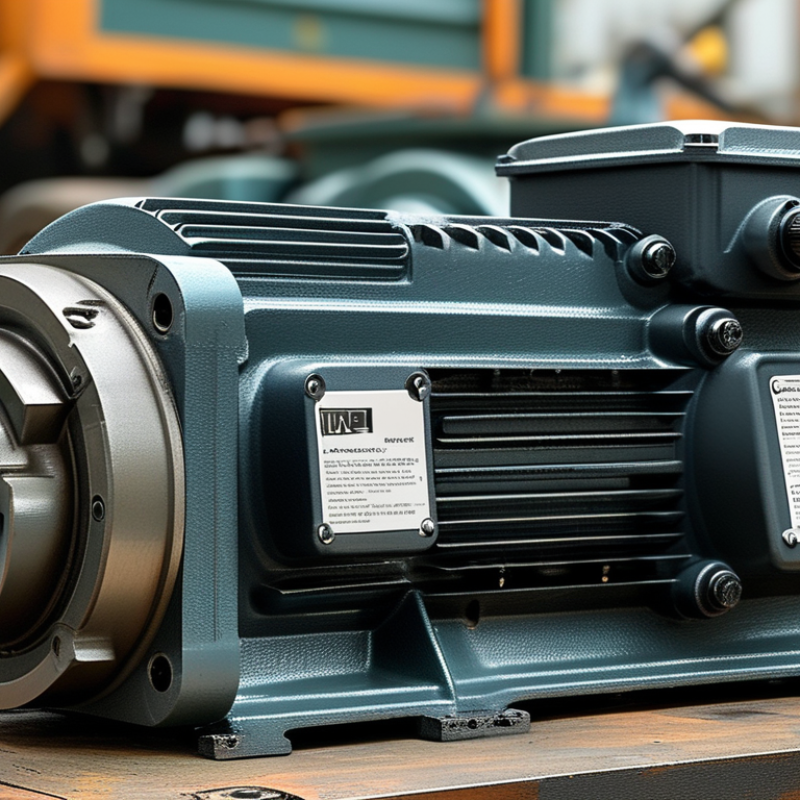
How to Choose the Right Industrial Gear Motor for Your Needs?

Understanding Industrial Gear Motors: Key Components and Functions

Industrial gear motors are essential in various applications. Understanding their key components helps you make an informed choice. These motors generally consist of a motor, gearbox, and sometimes additional components like brakes. The motor provides the input energy, while the gearbox adjusts the output speed and torque. This relationship is crucial for machinery efficiency and performance.

When selecting an industrial gear motor, consider factors like torque requirements and speed ratios. The gear ratio impacts the motor's output capability. A higher ratio means more torque but less speed. Balancing these factors is often challenging. Reflecting on your specific application can clarify your needs. Each situation might require a different configuration, leading to trial and error.

Durability and maintenance are other important aspects. Quality motors withstand harsh conditions, but every motor requires care. Over time, wear can affect performance. Regular checks can prevent unexpected failures. Thinking through these details can guide you to a more reliable choice that meets your operational demands.

Identifying Your Application Requirements: Torque, Speed, and Size

When selecting an industrial gear motor, understanding your application requirements is crucial. Torque, speed, and size are the primary factors to consider. Different industries demand different torque levels. High torque is often needed for heavy loads, while lower torque suffices for lighter applications. You must analyze the specific forces your operation exerts.

Speed is another key element. It's essential to match the motor's speed to your machinery's needs. A miscalculation can lead to inefficiency. For example, a high-speed motor might cause wear and tear if your application requires moderate speed. It’s important to reflect on the actual speed demands of your operations before settling on a gear motor.

Size cannot be overlooked. The physical dimensions of the gear motor should fit within your setup. An oversized motor may obstruct other equipment, while an undersized one could struggle under load. Assess the installation space and keep future expansions in mind. Balancing torque, speed, and size will lead to a more effective motor choice for your needs. Consider all these factors carefully, as choices made now can impact efficiency and performance later.

Evaluating Different Types of Gear Motors: Pros and Cons

When evaluating different types of gear motors, it is essential to weigh their pros and cons carefully. Gear motors typically fall into several categories: AC, DC, and stepper motors. Each type has unique advantages and drawbacks. For instance, AC gear motors are known for their durability and efficiency, often reaching over 90% in energy conversion. However, they can be more expensive and complicated to control compared to DC motors, which are simpler and versatile.

DC gear motors are favored for applications requiring variable speed control. They offer quick response times and excellent torque. A study indicates that the global market for DC gear motors is projected to grow by 6.4% annually over the next five years. While they are ideal for many applications, their limitations include a shorter lifespan when compared to AC motors, especially under heavy loads. Stepper motors, on the other hand, provide precise positioning and repeatability, making them a solid choice for automation tasks. Their downside is often a reduced torque at higher speeds and increased heat generation, which can impact performance.

Reliability concerns also arise with gear motor selection. External factors like environmental conditions can necessitate additional protective measures. The ideal choice hinges on specific operational requirements and constraints. Engaging with experienced engineers can help navigate these complexities, ensuring an informed decision tailored to your unique application needs.

Factors to Consider: Efficiency, Durability, and Maintenance Needs

When selecting an industrial gear motor, efficiency is a key factor. According to a report by the International Energy Agency, nearly 60% of the electricity consumed in industrial applications goes to motors. Choosing a motor with a higher efficiency rating can lead to significant cost savings. For instance, an increase from 90% to 95% efficiency can reduce energy consumption by approximately 10%. This is essential for long-term operational budgets.

Durability should also be a primary consideration. Industrial environments can be harsh, exposing equipment to dust, moisture, and extreme temperatures. A gear motor constructed with high-quality materials will perform better under these conditions. The American Society of Mechanical Engineers suggests that robust motors should undergo rigorous testing to ensure they can withstand factors like vibration and heat, extending their lifespan and reducing replacement frequency.

Maintenance needs are often overlooked but are critical for sustained operation. Gear motors should be easy to service. A motor that requires complex disassembly may lead to longer downtimes. Regular maintenance can prevent unplanned failures. Research indicates that routine checks and servicing can reduce the risk of failure by up to 40%. Understanding these aspects can greatly enhance both performance and longevity in your operations.

Cost-Effective Solutions: Budgeting for Your Gear Motor Selection

Choosing the right industrial gear motor can impact your budget significantly. Understanding the costs involved is crucial. Focus on functionality and durability, as these will ultimately save you money. Consider your operational needs and the environment in which the motor will operate. Investing in higher quality components may reduce maintenance costs over time.

When budgeting, account for not just the initial purchase price but also the total cost of ownership. This includes installation, operation, and maintenance costs. Cheaper options may lead to higher expenses in repairs and replacements. It’s important to analyze long-term savings rather than just short-term gains.

Select a motor that aligns with your application's demands. Research various options to find the best fit. A well-suited motor will enhance efficiency and cut energy costs. If you're unsure about your choice, seek advice from industry professionals. Evaluating customer reviews and case studies can also provide insight. Choosing wisely could make a significant difference in your operational efficiency.

How to Choose the Right Industrial Gear Motor for Your Needs? - Cost-Effective Solutions: Budgeting for Your Gear Motor Selection

Motor Type Power Rating (kW) Torque (Nm) Efficiency (%) Cost ($)
AC Gear Motor 2.2 15 85 250
DC Gear Motor 1.5 10 80 200
Servo Motor 3.0 20 90 600
Stepper Motor 0.75 5 75 150

FAQS

: What are the key components of industrial gear motors?

: Industrial gear motors typically consist of a motor, a gearbox, and sometimes additional components like brakes.

How does the gearbox affect motor performance?

The gearbox adjusts the output speed and torque, impacting the efficiency and performance of machinery.

What should I consider when choosing an industrial gear motor?

Consider factors such as torque requirements, speed ratios, size, and durability based on your specific application.

Why is balancing torque and speed important?

A higher gear ratio offers more torque but less speed. This balance can be challenging and may require trial and error.

How can I ensure the durability of a gear motor?

Choose high-quality motors that can withstand harsh conditions and perform regular checks to prevent unexpected failures.

What is the impact of efficiency on operational costs?

Selecting a motor with a higher efficiency can reduce energy consumption significantly, leading to long-term cost savings.

Why is maintenance important for gear motors?

Regular maintenance helps prevent unplanned failures and can reduce downtime significantly.

What happens if the motor speed does not match application needs?

Miscalculated speeds can lead to inefficiencies and excessive wear on the motor over time.

How does the size of the gear motor affect installation?

An oversized motor may block other equipment, while an undersized one might struggle with heavy loads.

What can impact the lifespan of a gear motor?

Factors like vibration, heat, and operational conditions can affect a motor's performance and longevity. Reflecting on these aspects helps make better choices.

Conclusion

Selecting the right Industrial Gear Motor is crucial for optimizing machinery performance and ensuring operational efficiency. Understanding the key components and functions of these motors lays the foundation for making informed choices. It's essential to identify application requirements such as torque, speed, and size to match the motor to specific tasks effectively.

Additionally, evaluating the various types of gear motors entails examining their pros and cons, while also considering factors like efficiency, durability, and maintenance needs. Ultimately, budgeting for your Industrial Gear Motor selection can lead to cost-effective solutions that meet both performance and financial objectives, enabling successful implementation in diverse industrial applications.

Madeline

Madeline

Madeline is a dedicated marketing professional with a wealth of expertise in our company's core offerings. With a keen understanding of the industry, she brings a unique perspective to her role, consistently delivering high-quality content that highlights the superior aspects of our products. As......