How to Choose the Right High Torque Motor for Your Needs?

Time:2026-08-29 Author:Liam
0%

Choosing the right high torque motor is crucial for your specific applications. Industry expert Dr. Emily Carter emphasizes, “Selecting the perfect motor can enhance performance significantly.” High torque motors are essential for heavy-duty tasks. They deliver powerful output while maintaining efficiency.

Understanding your project's requirements is key. Different motors offer varying torque levels. This can be confusing. Industrial applications, such as robotics and automotive, often use high torque motors. Their reliability and strength are unmatched.

Consider factors like size, weight, and compatibility. A motor too large or heavy can hinder performance. Additionally, efficiency is vital. Higher torque does not always equate to better efficiency. Reflecting on these aspects is necessary for making an informed decision.
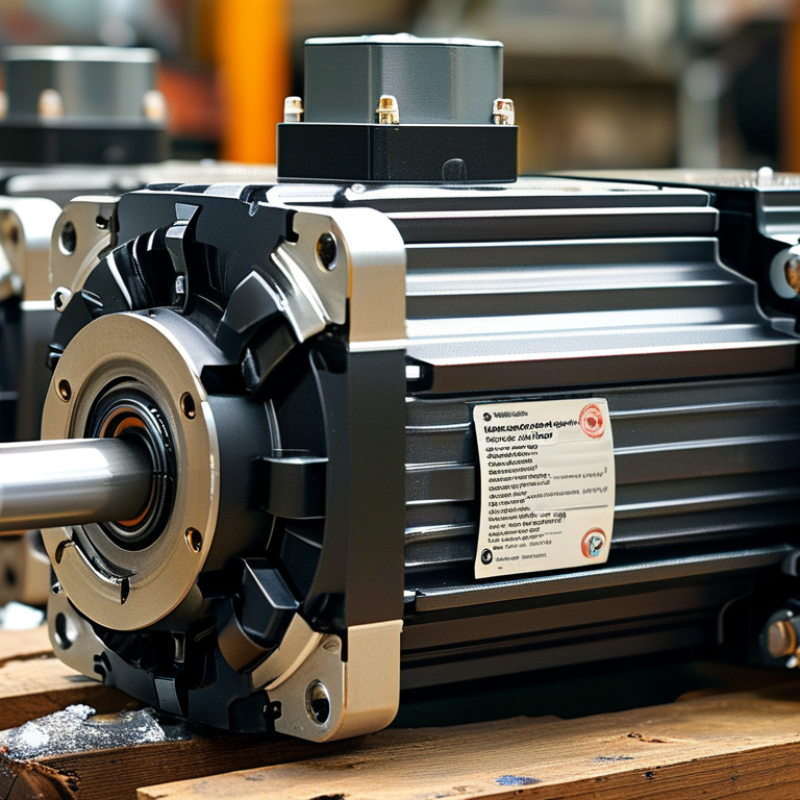
How to Choose the Right High Torque Motor for Your Needs?

Understanding the Basics of High Torque Motors and Their Applications

High torque motors are essential in various applications, from industrial machinery to electric vehicles. Understanding their basics helps you make the right choice. These motors deliver greater rotational force, allowing heavy machinery to operate efficiently. They are often used in scenarios where high starting torque is necessary. This includes conveyor systems and robotic arms.

When selecting a high torque motor, consider the specific requirements of your application. Assess the load it will handle and the speed needed. Different motors offer varying torque outputs. A motor with too much torque can lead to inefficiencies. Conversely, insufficient torque may result in performance issues. It's crucial to find a balance that meets your needs.

High torque motors can vary greatly in design and efficiency. Some are optimized for higher speeds, while others excel in low-speed applications. Reflect on what you truly require. Sometimes, the simplest solution is the best. Ensure you research thoroughly before making a decision. Understanding your unique application’s demands is vital for optimal performance.

Torque Output of Different High Torque Motors

Key Factors to Consider When Selecting a High Torque Motor

Choosing the right high torque motor involves several key factors. It's crucial to understand the application requirements first. Torque needs can vary significantly across different industries. For instance, according to a report by the International Electrotechnical Commission, motors in manufacturing often require torque ratings of 1.5 Nm or higher for efficient operation.

Another important factor to consider is the motor type. Brushless DC motors often provide better efficiency and lifespan compared to brushed motors. This efficiency can reach up to 90% under optimal conditions. However, brushless motors typically come at a higher cost, which may not suit every budget. Balancing performance with affordability is essential.

Lastly, understanding the environment in which the motor will operate is vital. High humidity or high temperatures can affect a motor's performance. Some motors need additional sealing to prevent moisture ingress. Neglecting these considerations can lead to short-lived motors and increased maintenance costs. It’s often beneficial to consult with industry experts to ensure the best fit for your specific application needs.

How to Choose the Right High Torque Motor for Your Needs

Factors Description Recommendation
Torque Requirement Determine the amount of torque needed for your application. Select a motor that can offer at least 20% more torque than required.
Speed Ratings Identify the speed (RPM) needed for optimal performance. Choose a motor with speed ratings that match or exceed your requirements.
Power Source Consider the type of power source available (AC, DC, Battery). Ensure the motor is compatible with your power source for efficiency.
Size and Weight Assess the physical dimensions and weight limits of your project. Select a motor that fits within your space and weight constraints.
Duty Cycle Understand how long the motor will operate without overheating. Choose a motor with a duty cycle that meets your operational needs.
Environmental Considerations Evaluate the conditions where the motor will be used (humidity, dust). Opt for a motor that is rated for the specific environmental conditions.

Evaluating Voltage, Current, and Power Requirements for Your Motor

Choosing a high torque motor requires careful consideration of voltage, current, and power needs. The voltage rating determines the energy available to the motor. A higher voltage often means more power, but also requires careful containment to avoid overheating. Understanding the voltage range compatible with your application is crucial.

Current is another vital factor. It influences how much torque the motor can produce. Too much current can lead to failures while too little may not meet performance requirements. Calculating the actual current draw under load helps ensure the motor operates efficiently.

Power ratings connect voltage and current to give a clear picture of the motor's capabilities. Not all projects need maximum power; sometimes optimal performance is about balancing these metrics. Whenever in doubt, it’s helpful to consult industry specifications. Keep in mind that real-world applications can vary. A motor may not perform as expected due to environmental factors or design limitations. Understanding these details can significantly impact your choice.

Assessing Torque Specifications and Load Conditions for Optimal Performance

When selecting a high torque motor, understanding torque specifications and load conditions is crucial. Torque is the rotational force an engine produces. According to the International Electrotechnical Commission (IEC), the required torque can drastically vary depending on the application. For instance, a motor in a conveyor system demands more torque than one in a small cooling fan. Load considerations include the weight and speed requirements of your application, which directly affect the torque specifications you should target.

Choosing the right torque rating ensures optimal performance. If the motor underperforms, systems can stall, leading to potential damage. Conversely, excessive torque can result in overheating and component wear. The National Electrical Manufacturers Association (NEMA) recommends evaluating your system's peak and average load conditions to determine the ideal motor torque rating. It’s essential to balance these factors to avoid inefficiencies and maintain device longevity.

Consider these points: the operating environment affects torque requirements. For example, high humidity or extreme temperatures can alter motor performance. Additionally, the duty cycle — how often a motor operates in peaks versus downtime — needs careful analysis. Always consult updated industry standards and reliable technical documentation for the latest recommendations on torque and load factors in your specific application.

Exploring Different Types of High Torque Motors and Their Features

High torque motors come in various types, each with distinct features. Brushed DC motors are popular due to their simplicity. They are easy to control but may require more maintenance over time. Their torque can drop significantly at high speeds, making them suitable for specific applications.

Brushless DC motors offer higher efficiency and longer life. They produce less heat, allowing for sustained high torque. These motors typically utilize electronic controllers, which can add complexity. However, their performance in demanding situations makes them an attractive option for many.

Stepper motors provide precise control of movement, making them ideal for robotics and CNC machines. They generate high torque at low speeds but can struggle with high-speed applications. When it comes to selecting the right motor, consider your specific needs and acknowledge that no motor is perfect for every situation. Some applications may require trade-offs between torque, speed, and control.

FAQS

: What is the first factor to consider when choosing a high torque motor?

: Understand the application requirements, as torque needs differ greatly across industries.

Why is motor type important in selection?

Different motors like brushless DC offer better efficiency, but may cost more than brushed motors.

How does voltage impact motor performance?

Higher voltage can provide more power, but it requires careful management to prevent overheating.

What role does current play in selecting a motor?

Current affects the torque; too much can cause failures, while too little may not meet needs.

What are some challenges with different motor types?

Brushed motors need more maintenance, while brushless motors require electronic controls, adding complexity.

Can environmental factors influence motor performance?

Yes, high humidity or temperature can damage motors and lead to short life spans.

What is a common trade-off when selecting a motor?

You might need to balance torque, speed, and control features based on specific application needs.

How can one ensure they choose the right motor for their application?

Consulting with industry experts can help align your choices to specific application requirements.

What should I consider if my motor doesn't perform as expected?

Look into environmental factors or design limitations that could affect performance.

Is it always necessary to aim for maximum power in a motor?

No, sometimes optimal performance means balancing voltage, current, and power for specific tasks.

Conclusion

Choosing the right High Torque Motor involves understanding its fundamental principles and applications. High Torque Motors are essential in various industries where heavy loads and demanding performance are required. When selecting a motor, it is crucial to evaluate the key factors such as the operating voltage, current, and overall power requirements to ensure compatibility with your system.

Moreover, assessing torque specifications and load conditions is vital for achieving optimal performance. Different types of High Torque Motors come with unique features tailored to specific applications, making it important to explore these variations thoroughly. By considering these critical aspects, users can make informed decisions that align with their operational needs and enhance efficiency in their applications.

Liam

Liam

Liam is a dedicated marketing professional with a profound expertise in the industry, where he excels at highlighting the unique advantages of our core products. With a keen understanding of market trends and consumer needs, Liam frequently updates our company’s professional blog, providing......