How to Choose the Best Hot Sale Gear Motor for Your Needs?

Time:2026-06-30 Author:Ethan
0%

Selecting the right Hot Sale Gear Motor can significantly impact your project's efficiency. With the global gear motor market projected to reach $45.2 billion by 2027, the demand for reliable solutions is high. Factors influencing this surge include automation in various industries and advancements in gear technology.

Choosing the suitable gear motor requires understanding load capacity, torque specifications, and operational environment. A recent industry report reveals that over 30% of equipment failures stem from improper motor selection. This statistic emphasizes the importance of making informed decisions.

It's essential to evaluate the specifications carefully. Many buyers overlook essential details, leading to inefficiencies. The ideal Hot Sale Gear Motor must align with the unique requirements of your application, ensuring reliable performance and longevity. Keep these factors in mind to avoid costly mistakes in your selection process.
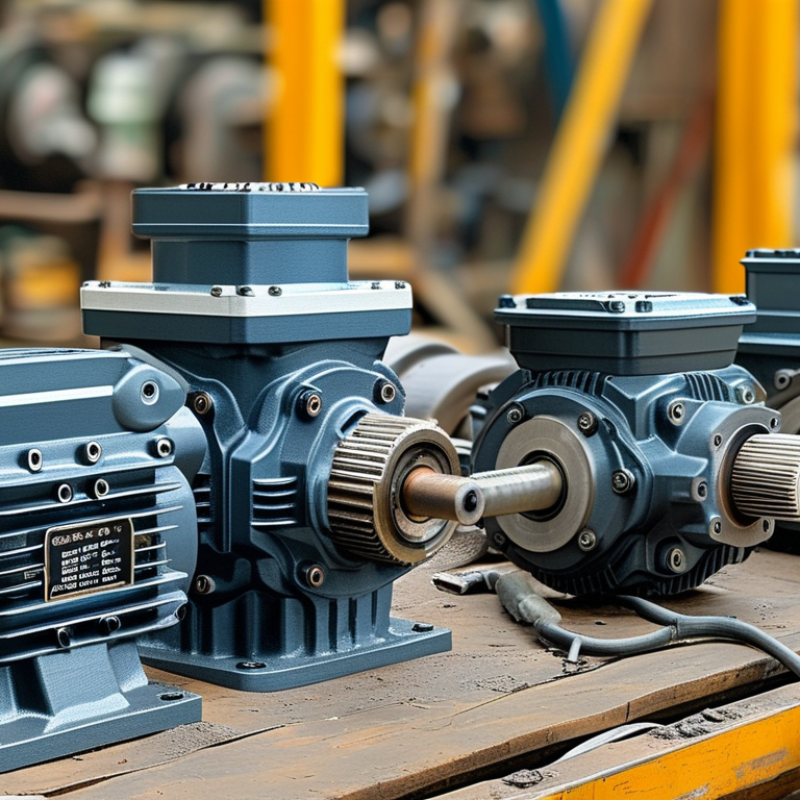
How to Choose the Best Hot Sale Gear Motor for Your Needs?

Identifying Your Specific Needs for a Gear Motor

Choosing the right gear motor starts with understanding your needs. It’s essential to evaluate the specific application you have in mind. Consider the load capacity required. A motor designed for heavy loads differs significantly from one meant for lighter tasks. The torque and speed requirements also play a vital role. For example, higher torque is crucial in lifting applications, while precise speed control is essential in robotics.

Additionally, think about the environment where the gear motor will be used. Will it face exposure to dust, moisture, or extreme temperatures? Assessing these conditions can guide your choice toward a motor with the right protective features. Don’t overlook the dimensions and weight of the gear motor. A compact design might be necessary for cramped spaces.

It's also wise to reflect on the maintenance aspect. Some gear motors require frequent servicing, while others are low-maintenance. This could impact your decision. Ensure that the chosen motor aligns with your operational capabilities and maintenance schedule. Each application differs, and there’s no one-size-fits-all solution. Proper analysis of these factors boosts your chances of selecting the best gear motor for your project.

How to Choose the Best Hot Sale Gear Motor for Your Needs? - Identifying Your Specific Needs for a Gear Motor

Application Required Torque (Nm) Speed (RPM) Power Rating (W) Voltage (V)
Conveyor Systems 15 30 450 220
Robotic Arms 10 50 600 48
Electric Vehicles 25 120 1200 400
Industrial Mixers 18 45 500 220
Agricultural Equipment 30 70 800 220

Understanding Different Types of Gear Motors Available

When selecting a gear motor, understanding the types available is crucial. Gear motors come in various designs, each serving specific applications. For instance, parallel shaft gear motors are great for high-torque applications and provide a compact solution. In contrast, helical gear motors are more efficient and quieter, making them suitable for delicate operations.

Another popular option is the planetary gear motor. These offer high precision and durability, making them ideal for robotics and automation. However, their complexity may require more maintenance. A worm gear motor, on the other hand, provides a high reduction ratio but can be less efficient. It’s important to weigh these factors based on your operational needs.

Choosing the right gear motor requires assessing your requirements closely. It’s essential to consider torque, speed, and application type. While gear motors can be straightforward, their specific features may pose challenges. Take the time to research and perhaps consult with experts. This will help avoid common pitfalls and ensure the best choice for your project.

Evaluating Performance Specifications and Efficiency Ratings

When evaluating gear motors, performance specifications hold the key. When you consider torque and speed, it’s essential to match these with your application needs. High torque is useful for heavy loads, while speed determines the operational efficiency. Always check the motor’s rating plate for values like RPM and output power. These details will guide you in making an informed decision.

Efficiency ratings also matter significantly. They indicate how well a motor converts electrical energy into mechanical power. A motor with a high efficiency rating can reduce energy costs over time. Look for specifications such as the Motor Efficiency Index (MEI) or efficiency class. These ratings are backed by standardized testing procedures, enhancing their credibility. However, not all manufacturers provide the same accuracy in their ratings. Some may present inflated figures, making it crucial to cross-reference this data when possible.

Reflecting on your own experiences with gear motors can help too. You might have noticed that practical performance varies from theoretical values. Real-world conditions such as heat and load can affect efficiency. Thus, testing motors under your specific conditions can reveal additional insights, enabling a more tailored selection.

Performance Comparison of Different Gear Motors

Assessing Environmental and Installation Requirements

When selecting a gear motor, consider its environmental and installation requirements carefully. This gear motor may need to operate in harsh conditions like high humidity or extreme temperatures. Assessing the specific environment can prevent future operational failures.

Tips: Always check the material compatibility. Some gears may corrode faster in certain environments. Using stainless steel or protective coatings can enhance longevity.

Installation requirements are also crucial. Limited space often limits the motor's size and power. Ensure that the chosen gear motor fits within installation constraints while still meeting performance needs.

Tips: Measure the installation area accurately. Small miscalculations can lead to installation headaches.

Lastly, keep in mind the noise level during operation. Some gear motors produce more noise than others. Consider this in residential or noise-sensitive applications to avoid disturbances.

Comparing Prices and Brands for Best Value Gear Motors

When searching for the best gear motor, price and brand comparisons matter greatly. Different brands often cater to various market segments, which can affect quality and performance. Some brands may offer lower-cost options but might compromise on durability. It's essential to consider both price and functionality when making a decision. Comparing products can reveal unexpected insights into their real value.

While assessing options, consider the specifications that fulfill your specific needs. Look for gears that offer torque, speed, and efficiency. Reviewing user feedback can guide your choice, helping you find reliable options. However, not all online reviews are trustworthy. Some may contain biases due to personal experiences.

Be mindful of warranty and customer service policies. A less expensive motor may end up costing more if it fails prematurely. Look for details on return policies. Reflecting on your unique requirements will help you choose wisely. It's important to ask questions and explore various resources.

FAQS

: What types of gear motors are available?

: Gear motors come in various types. Common types include parallel shaft, helical, planetary, and worm gear motors.

What is a parallel shaft gear motor best for?

It's ideal for high-torque applications. It provides a compact design, making it quite efficient in performance.

How does a planetary gear motor differ?

Planetary gear motors offer high precision and durability. They are suitable for robotics but require more maintenance.

What should I consider regarding environmental requirements?

Assess conditions like humidity and temperature. Material compatibility is vital, as some gears may corrode quickly.

Why is installation space important?

Limited space affects the motor's size and power. Accurate measurements prevent installation challenges down the line.

What role does noise level play in gear motors?

Noise levels can impact residential or sensitive environments. Consider quieter options to avoid disturbances during operation.

How do I compare gear motors effectively?

Focus on price and quality. Different brands serve different markets, impacting durability and functionality.

What should I watch for in user reviews?

User feedback can guide your choice, but be wary. Some reviews may not reflect true product performance.

How can warranties influence my decision?

Warranties and customer service matter. A cheap motor might lead to higher costs if it fails early.

How can I ensure I’m making the best choice for my needs?

Reflect on your specific requirements. Research and consulting with experts can help avoid common mistakes.

Conclusion

When choosing the best Hot Sale Gear Motor for your needs, it is essential to start by identifying your specific requirements. This involves understanding the different types of gear motors available, as each type may have distinct functionalities that cater to various applications. Next, evaluating performance specifications and efficiency ratings is crucial to ensure optimal operation. Consider aspects such as torque, speed, and energy consumption to select a motor that meets your efficiency goals.

Additionally, assessing environmental and installation requirements is vital, as certain gear motors may be better suited for specific conditions, such as temperature ranges or space constraints. Finally, comparing prices and brands will help you find the best value Hot Sale Gear Motor, ensuring you make a cost-effective choice while not compromising on quality and performance. By following these steps, you can make an informed decision that aligns with your project needs.

Ethan

Ethan

Ethan is a seasoned marketing professional with a deep expertise in our company's innovative product line. With a passion for sharing knowledge and insights, he takes the lead in regularly updating our corporate blog, where he explores industry trends, product features, and effective marketing......