In the ever-evolving world of automation, the demand for high-quality Stepper Gear Motors continues to rise. Industry expert Andrew Mercer, a leading authority on mechanical engineering, once said, "Precision and reliability define the success of any motor application." This statement underscores the necessity for global buyers to seek quality in these essential components.
As industries expand, the role of Stepper Gear Motors becomes pivotal. They are not just components; they empower machines that improve production efficiency. Yet, not all motors are created equal. Buyers often struggle to distinguish between the myriad of options available in the market. Evaluating the performance, durability, and specifications of different manufacturers can be daunting.
Quality should never be compromised. A poor choice can lead to increased downtime and decreased productivity. High-quality Stepper Gear Motors offer the best balance of precision and cost-effectiveness. Buyers must engage with verified manufacturers, ensuring their products meet stringent quality standards. The landscape is competitive, but understanding the nuances can lead to better decisions and enhanced outcomes.
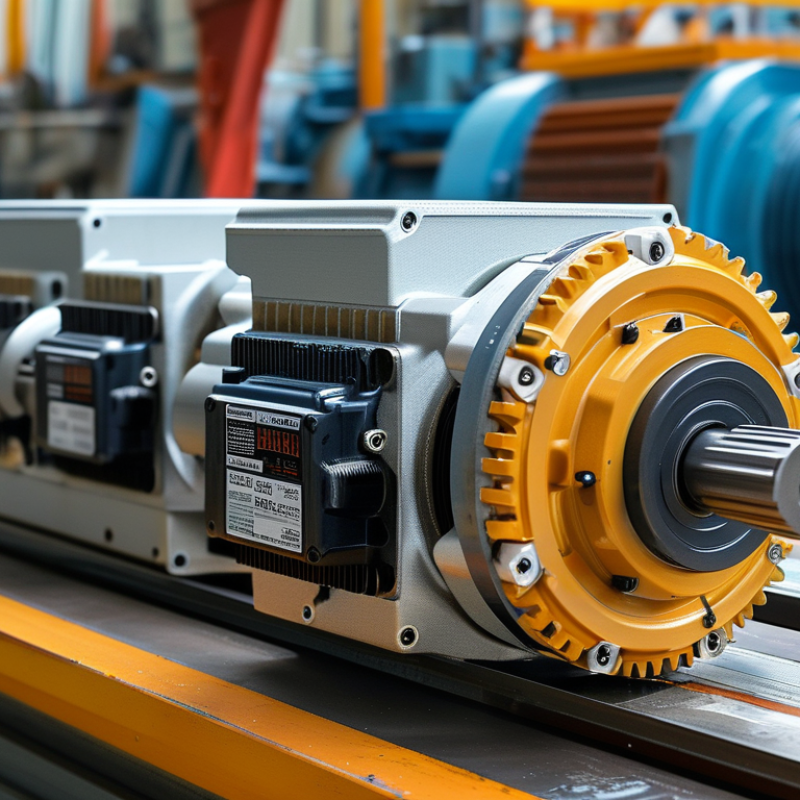
Stepper gear motors are essential in various applications, including robotics, CNC machinery, and automation. These motors provide precise control of angular position, making them ideal for tasks requiring higher accuracy. According to a recent market report, the global stepper motor market is projected to grow at a CAGR of 5.7% from 2021 to 2028. This growth suggests a rising demand for reliable solutions in precision movement.
In the robotics sector, stepper gear motors play a crucial role. They enable fine-tuned movements, which are vital for robotic arms and automated systems. Yet, selecting the right stepper gear motor requires careful consideration of torque, speed, and efficiency. Miscalculations can lead to underperformance. An important data insight reveals that nearly 40% of automation failures result from improper motor selection.
When choosing a stepper gear motor, consider these tips: ensure compatibility with your power supply, monitor heat generation during extended use, and evaluate feedback systems for improved accuracy. Additionally, be aware that manufacturers sometimes report optimistic efficiency figures. Conduct independent tests to verify performance claims. Understanding these details can drastically improve the reliability of your applications.
When it comes to stepper gear motors, quality is paramount. Buyers seeking production reliability should focus on several key features. A high-quality stepper gear motor should offer precise control and torque. This is essential for applications that demand accuracy and repeatability. Choose motors that guarantee minimal backlash. This reduces loss of motion and improves overall performance.
Another aspect to consider is durability. Motors should withstand various operating conditions. Look for robust materials that resist wear and tear. A good motor will also have effective heat dissipation. This prolongs lifespan and maintains consistent performance. Additionally, noise levels matter. Quiet operation can be an important factor in settings like laboratories or offices.
Buyer experiences can vary, which is worth noting. Some users report issues with compatibility when integrating new motors. Others find certain models difficult to source. It's crucial to assess the total cost of ownership, not just the initial purchase price. Researching specifications and reading user feedback can help alleviate potential regrets. In this competitive market, attention to detail in features can lead to better choices.
When comparing global brands and Chinese manufacturers in the realm of stepper gear motors, several factors emerge. According to a 2022 industry report by the International Electromechanical Association, China's market share in stepper motor production reached approximately 45%. This is due, in part, to lower labor costs and increased production efficiency.
Quality control is a critical aspect. Many Chinese manufacturers have implemented advanced technologies, yet discrepancies remain. A 2021 survey noted that 30% of buyers reported inconsistent quality in Chinese products. This inconsistency can lead to risks in projects, especially in high-precision applications.
Global brands often emphasize their rigorous testing protocols. They guarantee durable performance but typically at a higher price. A detailed analysis reveals that while European and American motors maintain higher reliability ratings, they lack the cost efficiency offered by Chinese counterparts. This dichotomy creates a dilemma for buyers balancing cost and quality against their project needs.
Quality control is vital in the production of stepper gear motors in China. Manufacturers aim to meet global standards through rigorous testing processes. They assess materials, components, and the final products to ensure reliability. This attention to detail elevates the overall quality. However, not all factories maintain the same standards. Some may cut corners to reduce costs. This inconsistency can lead to varying product performance.
Experienced engineers often use statistical techniques to monitor production. They analyze data to detect anomalies and enforce quality guidelines. Moreover, factories must adhere to established protocols. Yet, some may lack proper training or resources, affecting their focus on quality. Continuous improvement requires investment, which is not always prioritized.
Global buyers need to conduct thorough research before selecting suppliers. Understanding the manufacturing process helps. It also builds a foundation for long-term partnerships. Quality control standards can differ significantly. Seeking detailed information is crucial for making informed decisions. Without this diligence, buyers risk facing challenges that could have been avoided.
When selecting a stepper gear motor, key factors demand close attention. Understanding your application is paramount. Stepper motors excel in precision control, making them ideal for robotics and CNC machines. According to industry reports, approximately 45% of manufacturing operations require accurate rotary movement. This statistic underscores the significance of finding a motor tailored to specific needs.
Torque and speed are central considerations. A motor's torque dictates the load it can handle, while speed affects operational efficiency. For instance, a gear ratio can influence speed without compromising torque. Reports suggest that companies should evaluate required torque to prevent underperformance. A mismatched stepper can lead to slow response times.
Additionally, motor size and weight matter in design constraints. A compact motor may suit limited spaces yet could sacrifice power. It's essential to balance size with functionality. Investigating different configurations allows buyers to match motors with their setups effectively. Engaging with suppliers to discuss unique requirements can lead to better choices. This step is often overlooked but is crucial for ensuring reliability in demanding environments.
: They are used in robotics, CNC machinery, and automation for precise control.
A wrong choice can lead to underperformance. Miscalculations may cause automation failures.
Evaluate torque, speed, efficiency, and compatibility with your power supply.
Excessive heat during extended use can lead to reduced motor lifespan and efficiency.
Nearly 40% of automation failures stem from selecting the wrong motor.
Some may report overly optimistic efficiency figures, risking reliability in applications.
They may offer lower costs, but quality inconsistency is a common concern.
They typically emphasize rigorous testing and durability but are often more expensive.
A compact motor suits tight spaces but may sacrifice power. Balance is key.
Discussing unique requirements can lead to better choices for specific applications.
The article titled "China Best Stepper Gear Motor for Global Buyers Seeking Quality?" provides a comprehensive overview of stepper gear motors, highlighting their essential features and applications across various industries. It discusses the critical aspects that define high-quality stepper gear motors produced in China, including precision, reliability, and customization options. Furthermore, the article presents a comparative analysis of global brands versus Chinese manufacturers, shedding light on the competitive advantages of choosing products from China.
Quality control standards in the production of Chinese stepper gear motors are thoroughly examined, emphasizing the rigorous testing and certifications that ensure product excellence. Lastly, the article offers valuable guidance on selecting the right stepper gear motor, tailored to the specific needs of buyers, ensuring they make informed decisions in a crowded marketplace. With the increasing demand for efficient and dependable stepper gear motors, understanding these key factors enables buyers to find the ideal solutions for their applications.
